Runa Troy – Creative Crone

Practical Magic for Modern Seekers

Menu
  • Home
  • Creative Crone Shop
  • Courses & Consulting
  • Blog
  • ABOUT
  • Contact
    • Out & About With The Witch
    • Terms & Conditions
Menu

Author: runa

Fighting Internalized Capitalism with Runes

Posted on February 23, 2026February 23, 2026 by runa

I spent the last week chasing healing for a severely arthritic knee. I learned I need to slow down and be patient. However, the doctors didn’t tell me that, the Runes did. The treatment process will be ongoing for the next season, or three. I’ll likely need surgery down the road, but regardless of surgery timeframe, I need to get stronger.

To get stronger, I first needed to completely rearrange my home to facilitate better flow for my mobility, a physical therapy spot, and an ergonomic tune-up in all my work spaces. Little did I know the Runes were following me through the whole thing.

This new normal and journey to healing has brought up a lot of feels for me. Not surprising, since fighting against capitalism has been a key foundation in the Craft work that I do. But what a reminder this week has been. There has been a lot of dialogue this week in my world about production, worth, abilities, new disabilities, and a general berating of my unchecked to-do list. I felt underwater, as if Laguz (ᛚ) had swallowed me.

Number one on my to-do list is assisting people in living their most magical life. Capitalism is the antithesis of magic. My creative consulting business focuses on how what I’ve learned living a life in the Craft can help others to live one, too. However, much of my time right now must be spent on healing, while balancing the demands of life. I expect I will have to remind myself that prioritizing self-care is magic. Bringing my Practice along whilst I do the things necessary to heal brought out renewed energy towards disrupting systems that are unhealthy for the Earth, people, and ourselves. This journey began with me turning to the tools of my Craft to help boost my resolve to get better and do so without internalizing capitalism’s judgment of how I live. I did this by spending extra time with the Elder Futhark.

I took a bag of Runes along with an ice pack and heating pad and did all the hot/cold sessions that my medical team wanted me to complete in a day, to stave off the nastiest of the inflammation in my poor knee. And then I started divining while healing. I jumped into digital communities where other mystics and seekers hang out and I gifted readings to others. An exercise in maybe feeling productive, but also as I did it more and more, I recognized I was able to partner with these ancient symbols as another layer of healing. It morphed into a spell for healing as I put out that complimentary witchy energy to others. The beacon of hope that is Kenaz (<) gifted me with inspiration when I didn’t even know I was looking for it.

As I sat with the Runes, meditating on the symbols between Odin Pulls for others, they brought other things deep into focus. Raidho (ᚱ) came in with its over-arching perspective: Capitalism doesn’t just organize economies. It organizes nervous systems. When productivity becomes worth, rest feels like guilt. When survival depends on output, burnout becomes normal. That isn’t a personal failure. That’s structural trauma. Under capitalism, self-neglect is reframed as drive. Overwork is ambition. Exhaustion is hustle. We learn to override hunger, fatigue, grief, and the witch’s most important tool: intuition. Then we wonder why we feel disconnected from ourselves.

A system that rewards constant production trains us to abandon our bodies. We ignore pain. We silence intuition. We distrust rest. Imagine! We don’t feel trusting enough to take a minute to breath, take a nap, or make our sleep schedule sacred. Self-care in the eyes of capitalism becomes another task to optimize instead of a relationship with ourselves, especially in the care of our physical bodies. Ehwaz (ᛖ) reminded that self-trust is the key to harmony.

Trauma isn’t only catastrophic events. It’s non-stop pressure. It’s economic precarity. It’s never feeling safe enough to slow down. When your survival feels conditional, your nervous system never fully recovers. Add chronic illness into the mix and you have another are of your life that capitalism makes you feel less than. This is where spiritual practices can become radical, as my Craft has done for me over the years. It’s not as escapism, or aesthetic. It is reclamation. My time. My body. My mind. My Practice. Take divination for example: Rune divination invites slowness, reflection and listening. That is the opposite of the constant output demanded by capitalism. Isa (I) provided the on-time message of Rest Is Doing.

Casting Runes isn’t about predicting the future. It’s about interrupting the grind long enough to ask: What am I ignoring? What truth am I avoiding? Where am I out of alignment? It’s structured pause in a system that profits from your exhaustion. Runes require presence. You breathe. You focus. You feel (sometimes I hear, too). That moment alone challenges a culture that wants your attention fragmented and monetized. Attention is power. Reclaiming it is healing. Much like the Seed Rune (ᛜ), Ingwaz’s energy let’s us lean on that self-focus.

Capitalism says: Be productive. Divination asks: Be honest. Capitalism says: Do more. The Elder Futhark asks: What matters. One measures value in output. The other measures value in awareness. When you sit with the Runes, you’re practicing listening instead of reacting, reflection instead of performance, and meaning instead of metrics. That’s nervous system repair. That’s self-trust rebuilding.

Taking care of yourself in a system that benefits from your depletion is not indulgent. It’s resistance. If Runes help you slow down, reconnect, and remember your inner authority. That’s not fallacy, that’s reclamation.


What messages do the Runes have for you? The Creative Crone Shop features Rune Castings for a quick questions or long-detailed year-ahead readings. What guidance does the Elder Futhark have for you? Book a casting with Runa today.

Creating Connection & The Magic of Hearth Craft

Posted on February 11, 2026February 23, 2026 by runa

Over the past few months, I’ve been showing up on Bluesky with what I’ve categorized as “Creative Crone Dispatch.” They are little tidbits of Craft knowledge, curated into regular threads born from my skills & experience of  more than four decades of being a Woman In Total Control Of Herself. I started to really dig them and they made me recognize I have more to say.

A writer having more to say?

At my deepest heart, I’m a nerd. I’m also a Scorpio Stellium, so I like to get deep. I like to discuss the depths of a subject and learn as much as I can.  And if we can sneak off into that corner booth at the pub underground and talk over it with our fav beverage deep into the night, I’m in heaven. 

Social media can be a bit of the opposite, a hellscape, so controlling the content we want to explore, and keeping the coolest of folx closest, the Creative Crone Dispatch was born. Normally, I know exactly what I want to focus on – but today I decided to ask the near 1k people following me, what they wanted to chat about.

The answer came quickly via @4islesandco.bsky.social . However, my response wound up being too many threads and this blog post was born. So, my dear one, here is my very quick, hopefully easily digestible, thoughts on your query.

Let’s start with what Hearth Craft is – it is the magic of tending our center. It can look like sweeping the floor with intention. It’s stirring the pot as prayer. It’s is lighting a candle and fucking meaning it. Before temples, before skyscrapers of capitalism, there was the hearth. And around it – women. Hearth work is civilization’s first altar. 

When someone mentions Hearth Craft, it is often in the same sentence with Hestia, the keeper of the flame. She did not wage war. She did not chase lovers. She did not leave. She stayed. Her power was continuity. Her magic was steadiness. Her gift was the flame that never went out. 

If it’s not Hestia, then it’s the goddess Brigid. She represents not only poetry, but the forge. She is also the ‘banked’ fire in the kitchen. She lives in bread rising under cloth. In clean thresholds. In the quiet pride of a well-kept space. Hearth Craft is not perfection, but devotion made visible. 

In Nordic tradition, Frigg is associated with the home, weaving fate at the spindle. She knows the threads before they tighten. She sees what is coming, and keeps her counsel. Queen of Asgard, yes; but, also keeper of keys. Guardian of the household’s inner sanctum. In the ol’ Norse world, women carried the keys at their belts, the symbols of authority over stores, wealth, and running of the home. This was not small power. It was sovereignty in wool and iron. Frigg’s magic is not loud. It is strategic, patient, and protective. Hearth Craft, in her lineage, is the weaving of peace – sacred harmony – within walls that can withstand the storm. 

Not every hearth keeper had a myth. Most were unnamed. Grandmothers who salted soup by instinct. Caregivers who rose before dawn. A partner’s hands cracked from winter wood. Hearth Craft honors them, too.Their magic was consistency. Their altar kin-keeping. Their spell was love. When they cooked, they crafted communion. When they tended home, they tended spirit. This is not “just domestic.” This is sacred architecture. 

They would sit at the hearth, a portal available to most of humanity, as the hearth is a threshold between worlds. The fire of the hearth transforms. Food becomes body. House becomes home. 

In a world obsessed with spectacle, Hearth Craft makes us consider if the magical act of ‘tending’ isn’t one of the holiest, powerful. To tend the hearth is to hold fate gently in your hands. 

And I leave you with this final piece of my regular Creative Crone dispatch – a bit of ‘hearth craft’ to get you started: This week, choose one hearth ritual. Light a candle before cooking. Bless your doorway. Sweep with intention. Bake bread as an offering. Ask yourself, what am I building here? And then follow the answer. The flame is waiting.


Although not entirely all Hearth Craft, my book, Magic In Your Cup talks about intention, tending, and the sacredness of what we put into our bodies and how to make it more magical. Find it wherever books are sold, or get one personalized just for you at the Creative Crone Shop.

What The Witch Is Reading – February 2026

Posted on February 1, 2026January 27, 2026 by runa

This section of my blog is dedicated to spreading the love of reading and books and the people who make them happen. I would not be the Witch I am today without books. I owe an obscene amount of gratitude to all the makers of books out there. This is my way of giving back. I hope that something I pick up and review will guide you to acquire the next tome on your To Be Read stack.


Reading in the winter is one of the things I most enjoy. Snuggling up in my reading chair with my puppers, next to the fire and sipping tea whilst I work my way through a book is heavenly. As I mentioned in my last post, most of my reading has been dedicated to recent research I’m doing for an ongoing project while still doing my Witch Work and running a permaculture Covenstead. Those books won’t appear here as to not give the project away before it’s ready for its public. But I’m always reading. Since my last post, I have finished two books (I’m reading a total of 4 right now – what? I like variety!)

Scorpio Witch by Ivo Dominguez, Jr. and Zoë Howe

I would not call myself an astrologer. I only started deepening my astrology knowledge back in 2017, with a big increase in my application of it in my daily life and magical practice beginning during the pandemic. But even knowing enough to be dangerous allowed me to enjoy this book and learn more and solidify some of the knowledge that I have about the impact of a Scorpio Sun, which yours truly is. 

I saw myself in so much of the content for connecting more deeply with the Scorpionic aspects of holding this sun sign. I know what the stereotypes are – and Dominguez and Howe go beyond and provide great tips to lean into that power. This is done through clean, no-nonsense writing and the play off of Dominguez’s more professorial tone and Howe’s more rock-n-roll takes on things plays a nice yin and yang in the text. The reader is left more grounded yet invited to shake their Witch’s rattle. 

Howe details early that Scorpios are those lone wolf witches who are perfectly content with being a solitary practitioner, “…unless a very special group presents itself.” She continues the expose on Scorpio suns with, “… magical work is sacred and we, the Zodiac’s least trusting sign, have to feel certain before we allow ourselves to be vulnerable in the presence of others.” ON POINT, readers! 

The book also explores the different moon signs that a Scorpio sun might have and how you can use the sway of the lunar energy to balance the light and shadow within that Scorpio sun. 

Dominguez also explores the rising signs, so going into reading this, knowing your big three is a plus, but early in the book there are directions on how to find your sun, moon, and rising. The anointing oil instructions he provided in the book is dead-on Scorpio scent love. I’ve already created it and use it in my daily meditations when preparing my sacred space. 

The part of the book that I will return to often – this is a reference book to be sure, but not dry and stale, but something that will teach you over and over again – is the exercises, spells, and rituals included – many by other writers who hold that Scorpio Sun in their chart.

I would, however, like to purchase a copy where they didn’t use the script font in the section titled “Postcard from a Scorpio Witch” by Lisa Jade. Utterly difficult to read and feels inaccessible depending on the reader’s mood, lighting, and eyesight. But the way it presents definitely feels like someone writing you a postcard – or letter even as it’s a few pages long. So the design choice made sense. But, maybe a clearer script font would be more appropriate?

However, I’m already awaiting the arrival of two more in this astro-witch series. When they get to the top of the TBR pile, you’ll hear from me on those books, too.

Mountain Magic: Explore the Secrets of Old Time Witchcraft by Rebecca Beyer

In 2025, along with reclaiming spirit work, I also had the goal of learning more about the cultural and societal influences on my ancestors. These goals continue through 2026, and if you’ve not explored your ancestors’ lives as we recall them, I highly encourage it. 

My path to explore these ancestral influences led me to Mountain Magic. It was on a stand right by the cash register, so maybe a spontaneous purchase, but also someone nudging me on my elbow, saying, “read this.” A good few branches of my family tree begin and branch from Appalachia USA. Beyer’s knowledge of that is fairly well rounded. As I mentioned last month, Wild Witchcraft, also by Beyer, sits on my shelf and I referenced it in Magic In Your Cup. Beyer loves research, as I do, and so getting a second book by her didn’t take much thinking. 

Like so many Craft books, this one hosts all kinds of working recipes. The ones in this book were inspired or done by generations of Appalachian folk magic. There’s some things in the mix of what is presented in this book that may make even the most devoted of Witches raise an eyebrow. But again, this is an education in how our beloved dead perhaps saw and ‘worked’ the world. It was nice to see validation of the materia magica that continues in my own practice naturally, but new ones to try, especially as I try to work with Beloved Dead in my spirit work. 

One interesting thing happened whilst I was reading this book. I had just finished the section on using Witchballs for Protection. Now in my lineage, witchballs were decorative, often hollow, glass spheres hung in windows to do the same things the Appalachia Witchballs did – trap evil, spells, and ill fortune, protecting the household. In other cultures they can be called spirit balls or friendship balls. Again, I had just finished that section when my partner and I were off on errands. Part of that was dropping off a donation to a thrift charity shop. When we drop, we often pause to shop, too. Treasure hunting is one of our favorite pastimes. What did I find? But a huge, six-inch diameter Witchball featuring all my favorite colors, with a motive of waves through the center. I’m heavy in the water element in my Natal chart, and it was like my ancestors said, “Here, you need more wards. We found this for you and now you know more about how to employ it.” 

Another thing is that I found the same Abracadabra energy in Mountain Witch that also appears in Scorpio Witch. Given that Abracadabra has been part of magic for millenia is encouraging to see it worked from different Practitioners perspectives. Absolutely they use similar tools, but employed slightly different – something that is not unusual within different paths of the Craft. Beyer folk magic; Dominguez with a more Witch/Wicca/Pagan viewpoint. Both powerful magic speaks to different paths and sympathies. And that synchronicity was electric to discover in this month’s readings.  

Up Next:

I am reading more research I can’t reveal yet; but, you know I’m not just reading one book at a time. I picked up two books at my local library – both a little more secular subjects, but I followed my intuition again for book selection. The books are: 

Strongmen: Mussolini to the Present by Ruth Ben-Ghiat, and 

The Pursuits of Philosophy: An Introduction to the Life and Thought of David Hume by Annette C. Baier. 

I’m in the midst of writing a fiction short story, so heady non-fiction is the way to read for me now. However, sudden urges to hit the used book store may bring a different work to the next Bookish Witch post.

See you for the next post on What The Witch Is Reading. Thanks for reading and comment if you have any questions, anecdotes, or requests.


As you can see, I read a little of everything. I’m always curious about what others are reading. What book are you working through right now? Let me know that, too!

What The Witch Is Reading: Signs & Opting Out – January 2026

Posted on January 7, 2026January 6, 2026 by runa
This section of my blog is dedicated to spreading the love of reading and books and the people who make them happen. I would not be the Witch I am today without books. I owe an obscene amount of gratitude to all the makers of books out there. This is my way of giving back. I hope that something I pick up and review will guide you to acquire the next tome on your To Be Read stack. 

Most of my reading has been dedicated in the last six months to research I’m doing for an ongoing project while still doing my Witch Work and running a permaculture Covenstead. Those books won’t appear here as to not give the project away before it’s ready for its public. But I’m always reading. This last month I finished two books even whilst dealing with all the HOLIDAZE shenanigans. Tell me if these are in your TBR pile or if after reading my review you want to add them to that nice Sunday stack.

Adventures in Opting Out: A Field Guide to Leading An Intentional Life by Cait Flanders.

As someone who has made it a mainstay of my life to live intentionally, and also spent a few years being a constant traveler, I was excited to get my hands on this tome. The author, Cait Flanders, wrote this one on the heels of her book, The Year of Less, which was its own adventure in living minimally. Opt Out doubles down on the lessons of The Year of Less and dives deeper into Flanders’ goal to build a more meaningful life focused on nature, connection, and personal values, which for her includes a heavy travel schedule.

The part of the text that really appealed to me is that when she first began to create the life she lives now, there were naysayers, lack of support, and huge hurdles mostly put in place by societal expectations. I felt that hard. Not having a permanent address is a big problem in the outer world. People not understanding why you’re doing something leads to lack of support. And people who think your choices somehow affect or make their life ‘less than’ will always stand in front and block your way.

“People will always make comments when you decide to live a counter-culture lifestyle. They will have even more to say if you struggle with it,” she wrote, after her first attempts at living the life she wanted did not go smoothly. Regardless, Flanders is successful in the end and navigates all of the pushback throughout the book. She uses a hiking as a metaphor for the journey of living intentionally that even if you’ve never even considered such a way to live, you can picture it in your mind as you read — the reader starts at the trailhead, and she takes them through the whole ‘hike’ of opting out that leads them to the great viewpoint at the end. The amount of uniqueness that came into Flanders’ life is then spilled on the page in practical guidance of how to apply the lessons she’s learned that readers can take and make deliberate choices in their own.

“The only thing I can guarantee is that … progress is never linear,” Flanders writes. “Your map won’t be a straight line — and you will be better for that.” The amount of evidence within this quick read to help you create your own map to an intentional life. If you live a life more esoterically as I do, this worldview of intentionality isn’t new; but, seeing how someone else walks this path was inspirational and provides a gentle, encouraging tone like when you meet a fellow hiker coming from the other direction on the trail and they let you know some good intel about the journey ahead. “hey, there’s a wash out after the last bend,” or other lessons so you are more prepared and supported to make such a leap to a more intentional life. No woo-woo in this book, but it’s not necessary at all. This quote has stuck with me since reading:

“A lot of us are hurting in our friendships and relationships because people cross our boundaries or don’t meet our needs in some way. But most of the time, we don’t tell people what we need. We just expect them to know or understand we are on a journey. Not only is is unfair to place an unspoken expectation on someone; it’s also unfair to assume that people will always understand what we are doing and why. People can see only as far for you as they see for themselves. So we have to remember that if people aren’t doing the same thing as us, they won’t automatically understand.”

Signs: The Secret Language of the Universe by Laura Lynne Jackson.

In 2025 I set about to reclaim some of the Spirit Work talents that I was born with but was suppressed as a child because they were summarily dismissed by the world around me. So when this book appeared before me, I took it as — you guessed it — a sign. Laura Lynne Jackson is a psychic medium and author of the book, The Light Between Us, a NYT best seller.

She very much details the energy of people, places and things. “Because we comprise energy, we also give off energy,” she writes. And that energy can be channeled to pay closer attention to the whispering patterns, repeated moments, and subtle disturbances that often pass us by in our hectic daily lives. Jackson bids the reader to treat the signs as a living dialogue between inner awareness and the outer world, asking what it means to recognize meaning in them without forcing it, as opposed to treating signs like an abstract superstition or fixed answer.

Like many Practitioners in the Craft, Jackson encourages discernment over certainty, curiosity over dogma, and a more intimate relationship with how insight actually arrives. The author also includes a central theme of the presence of our Beloved Dead and Those Who Came Before. Throughout the book this presence of the “Other Side,” as she terms it, is not distant or theatrical, but adjacent to our ordinary experiences, helping to bring symbols, timing, and resonance. If you’re a Witch, this is not new to you, but the approach by Jackson that this is a fact of life is refreshing.

The book is full of stories of people who asked for and received signs, and who received near divine intervention from their Spirit team — Jackson calls them your Team of Light. Many of them made me catch my breath and examine the signs that I likely missed from the Universe, my Beloved Dead, or just the collective energy that often can make things happen miraculously. If you have ancestral work in your Practice, some of the ‘asks’ that Jackson details Some of the language left me wanting for a deeper dive, but Jackson falls clearly in the ‘love and light’ crowd — not that it’s bad, but it’s a different foundation than this writer’s. But for people exploring spirit work, Jackson’s prose is conversational and story-focused.

The best part of the book was how such a universal language of signs can be interpreted differently and also the comfort in grief and confusion they can belay to the reader. It’s clear that Jackson wants to offer the reader a way to a sense of wonder in the midst of loss, turning grief into a path for deeper connection. It empowers the reader to go on their own journey to empower them to work with their own spiritual realm team. Love never ends is the author’s message, and it continues to impact our lives greatly. We just have to notice the signs.

Up Next:

I am still working through Scorpio Witch by Ivo Dominguez, Jr. & Zoe Howe, because I have to keep stopping and pondering the information inside of it. Anything with astrology in it sends me down a deeper rabbit hole, so I’m relishing this one a little longer.

I also picked up Mountain Witch by Rebecca Byer as part of a Yule haul recently. Her book Wild Witchcraft already sits on my shelf.

However, sudden urges to go book shopping may bring a different tome to the next Bookish Witch post.

See you for the next post on What The Witch Is Reading. Thanks for reading and comment if you have any questions, anecdotes, or requests.


As you can see, I read a little of everything. I’m always curious about what others are reading. What book are you working through right now? Let me know that, too!

Letting the ancestors decorate the Covenstead

Posted on December 8, 2025 by runa

In the last few years, my partner and I have felt the gentle tug toward older traditions, especially as winter begins. We’ve leaned in harder to the unique cultural aspects that our ancestors loved. These pops of echoes throughout the covenstead honor stories told by grandparents, snippets of folklore tucked between recipes and holiday rituals. On the surface it looks like our house is full of garden gnomes. And it is. 

Over the years here at Villa Westwyk, our cozy cottage has begun to be filled with images, statues, and decor of (Jule) Nisse (Tomte), aka what Americans know as gnomes, or what those in Iceland call the Yule Lads (Jólasveinar). The latter have names like Spoon Licker, Door Slammer, and Window Peeper, so you know they are put in the trickster spirit column. But none of the pranks they do are completely harmful, but more a reminder that the spirit of the Land needs tending and nurturing.

Found throughout Norway, Denmark, and Sweden, these small, mischievous household guardians from our Northern European ancestors have become a charming theme for our winter Solstice observances, and we’ve employed them as part of our regular warding and protection magic. The gradual inclusion of these symbols of gratitude for the simple things in winter – As we began to decorate the covenstead for Yule, the theme of these holiday tricksters bring a blend of generosity, humor, and just a pinch of chaos, which aligns well with the PNW’s moody, moss-draped December.

Growing up both of my partner and I were taught about these protectors of farms and families, hosting a beard much like my partner bears.That such energy would follow us here to the landscapes of evergreen forests is not surprising. Our covenstead, soft with rain and wrapped in fog, already feel like the natural habitat of the energy that tomte & nisse hold. They are after all, creatures who thrive in places where the boundary between the everyday and the enchanted is thin. The Yule Lads, who in Iceland descend from the mountains one by one each night, would find no shortage of dramatic ridges and misty foothills to wander here. You can almost imagine them stepping out from behind a cedar trunk with a half-eaten cookie and a grin. They remind us that winter magic lives in the handmade and the thoughtful. They were like tiny elfish guardians, ensuring the well-being of land, livestock, home, and community through long, dark winters. Their presence mirrors a worldview where the home and Land are sacred, alive with unseen watchers. 

However, you do not want to disrespect these spirits. Like other Land spirits across the world, these mini-santa-claus characters are highlighted in the time between Dec. 12th and December 24th, coinciding with many of the global cultures’ winter festivals. They can be as prickly as the Yule Cat, the pet of the ogress Grýla, who is said to be the mother of said Yule Lads. Don’t disrespect them or you won’t be seeing a mysteriously placed pinecone on your windowsill, but maybe a broken window, which is especially not fun when it’s winter. The lore about their naughtiness was that the pranks were spurred by misbehaving children in the household (sound familiar?) Well behaved children meant the Yule Lad milked the goat as opposed to stealing the milk. And good children received small tokens and treats for their efforts. When the Yule Lads are helpful, they would like to be acknowledged for that help. So traditional celebrations, offerings, and poems of gratitude fill the winter nights in their honor. 

We’ve rekindled and reinterpreted this ancestral customs of the Yule Lads as winter offers simple, low-pressure ways to bring the tradition into modern life. Ancestors may have left out a small bowl of porridge or cookies (sound familiar?); and today it’s a lighted candle in the window, a little brew from the cupboard, left as an offering in gratitude for the home and the Land that shelters us. The GrandWitchling likes to check to see if “someone” has taken a sip. Honoring traditions doesn’t require strict accuracy or elaborate ceremony. What matters is the spirit of the custom. For us it’s about respect for the unseen energy everywhere that is channeled to safeguard the home and protect all its inhabitants. In a region where winter stretches long and the nights fall early, these small rituals offer warmth and a sense of continuity. And if what matters is held in the vessel of an impish gnome, I’m even more about it because, let’s have fun and joy where we can get it, yes? 

How Dreamwork Supports Creative Writing

Posted on December 1, 2025December 1, 2025 by runa

Writers are often told to “write what you know,” but few are encouraged to explore the vast landscape of what they don’t consciously know. No writing coach I’ve encountered tells you to dig deeper into your inner realms – to decipher the symbols, emotions, and stories that speak to us in dreams. But for witches, magic practitioners, mystics, and intuitive creatives, dreamwork becomes more than just analyzing the sleeping mind. It becomes a wellspring of narrative insight, character development, a clearer lens on our creative lives, and a spiritual dialogue with the deeper self.

Dreams allow us to remember the parts of ourselves that daily life may silence: the hidden motivations, unresolved conflicts, secret hopes, and stories waiting to be told. They act as the bridge between imagination and intuition. The loosely structured framework of many dreams is just enough to spark creativity, but emotionally powerful enough to leave lasting impressions. For the writer, this is fertile ground.

You have a creative resource that populates each night. The dreaming mind naturally thinks in image, metaphor, and movement. It’s the same elements that make powerful storytelling. Dreams present narrative without the limitations of logic, structure, or practical concerns like semicolons. Characters shift identities, landscapes transform in an instant, and plotlines unfold based on emotional truth rather than linear logic.

As a dreamworker and writer, when I revisit the moments in my dreams with curiosity rather than judgment, new ideas often surface. That strange character in last night’s dream becomes an inspiration for an additional sidebar or short story. Or symbolic events inside the dream translate to powerful plot points that once had you stuck. And many an emotional dream can reveal where your story’s heart needs to step in beat for its best and highest good.

Dreams don’t hand us stories fully formed typically (I have clients that could write entire movie scripts from their dreams), but they will always hand us evocative fragments that ask to be shaped, translated, and spoken into the waking world.

A dream may show anxiety, pressure, avoidance, or blocked emotional material long before we consciously recognize it. For example, I kept dreaming about missing a train. I don’t take the train or subway regularly. In the dream, I carried a briefcase full of printed manuscripts. In waking life, I was running behind on one deadline and procrastinating on another. My dreamscape sent a message to get to the station on time and get on the train. As a writer you could dream of being chased and that could reflect fear of being judged for your work; or maybe your dream highlights losing your voice, maybe a fear or discomfort with speaking your truth on the page. The goal, however, is to approach these dreamed stories with compassion – not criticism – dreams help writers understand where resistance lives and what needs to be supported, strengthened, or released.

Most writers know that the best ideas come when we’re not staring at the page: walking the dog, on a long drive, about to fall asleep. Dreamwork taps that same open channel. By regularly recording dreams, you train yourself to stay in conversation with the subconscious, which is where creativity resides. My creative endeavors and my dreamwork are inextricably linked. This Practice helps improve intuitive decision-making, sustain momentum on long projects, and reduces the ‘blank page panic.’ When you’re in that flow, writing becomes less like thinking and more like listening or watching – much like we do when we’re dreaming.

You don’t need elaborate rituals to start using dreams in your writing. A simple routine can spark extraordinary shifts in your process. It will require you to keep a dream record and write down your dreams as soon as you wake. Then review that record periodically and notice symbols, sensations, emotions, or patterns. Let your subconscious and waking mind collaborate from there. Dreams don’t have to make sense to be creatively meaningful – they just need to be given a place to speak – your dream record.

Dreamwork isn’t just something that happens while you sleep – it’s a living practice that can energize your writing, deepen your creativity, and keep you connected to the subconscious world where ideas and stories are born. When we learn to record, reflect, and work with our dreams, we step into a creative partnership with the deeper self.

If this is calling to you, stay tuned – new courses and guided study sessions for Runa’s Dream Academy and intuitive practice are coming soon. We’ll explore how to track dreams, interpret symbols, and work with our dream experiences to turn them into powerful writing and spiritual insight. Whether you’re brand new to dreamwork or ready to go deeper, there will be offerings to support your journey.

In the meantime, my dream interpretations are always open, and this is the last chance to get it at this low-low price. Come January, my prices will have to increase. So start your dreamwork journey now and let me do a dream interpretation reading for you.

What The Witch Is Reading – Taking Back the Magic – November 2025

Posted on November 20, 2025 by runa
This section of my blog is dedicated to spreading the love of reading and books and the people who make them happen. I would not be the Witch I am today without books. I owe an obscene amount of gratitude to all the makers of books out there. This is my way of giving back. I hope that something I pick up and review will guide you to acquire the next tome on your To Be Read stack. 

The hiatus of my book reviews is over. My deep appreciation for those who have returned to my humble Word Alchemy blog. Maybe you’ll find a new book to read here.

Just Finished:

Take Back The Magic: Conversations With The Unseen World by Perdita Finn, 2023

This book follows one woman’s journey along her spiritual path—a genre that seems to be showing up more and more in my TBR pile. Finn blends memoir, historical context, earth-centered spirituality, and intimate letters to her deceased father, with whom she shared a complex and deeply human relationship. (Truly—who among us doesn’t have complicated parental ties?) These letters alone make the book worth revisiting; they are raw, honest, and written with a clarity of soul that lingers.

Finn is a natural medium, connected both to ancestral presences and the spirits of the Land, and that resonance came through powerfully. The narrative is personal, but the wisdom within offers readers guidance on cultivating their own relationships with the unseen world—whether with beloved dead, ancestral lineages, or the wider spiritual currents that move through the world. She uses the most vulnerable moments of her own life to illuminate a very real, tangible path toward ancestral reverence and the reclamation of the magic we forget is woven through our lives as souls returning again and again.

For readers already sensing the presence of the otherworld or seeking affirmation of their own intuitive relationship with the dead, this book may feel like a long-awaited validation. One of its strongest messages is that relationships may be healed—even after death. Finn shows how the perspective of the Dead expands beyond ego and limitation, making them ready and willing to assist us. We only need to open the door, rebuild the connection, and ask.

If you’re exploring how to cultivate a relationship with the Ancestors, understand soul bonds that return across lifetimes, or explore how spirit shows itself with or without the visitation of the Great Mother, this is the kind of book you may devour in a single sitting

Talking To The Dead: Kate and Maggie Fox and the Rise of Spiritualism by Barbara Weisberg, 2004

Part history and part biography, this book traces the rise of American Spiritualism through the lives of two of its most iconic early figures. Weisberg does not shy away from examining how the political, social, and cultural currents of the time shaped both the believers and the skeptics surrounding the famous “rapping sisters.” The narrative situates Spiritualism within the broader awakening of the mid-nineteenth century, illustrating its intersections with women’s suffrage, abolition, the Civil War, and the sweeping changes brought on by industrialization.

Notable figures—Horace Greeley, Mary Todd Lincoln, and others—appear throughout the narrative, grounding the story in historical reality while showcasing the depth of the author’s research. Many details feel newly unearthed, offering modern readers glimpses into a spiritual movement that was once both feared and revered.

Did the Fox sisters truly speak to the dead? Weisberg leaves room for interpretation, inviting readers to sit with the ambiguity rather than delivering a simple verdict. Contemporary spirit-workers may recognize a familiar pattern: the dominant culture’s need to dismiss or diminish anything belonging to the unseen realms. There are moments where the pacing slows under the weight of historical detail, but this density is also part of the book’s strength—it preserves a record of a time when the veil between worlds seemed thinner, and a nation was listening.

Up Next:

I am doing some research for a client right now, so much of my reading time is going towards that. However, in the To Be Read (TBR) pile I have: 

Scorpio Witch by Ivo Dominguez, Jr. & Zoe Howe

Spiritual Cleansing by Draja Mickaharic

See you for the next post on What The Witch Is Reading. Thanks for reading and comment if you have any questions, anecdotes, or requests.


As you can see, I read a little of everything. I’m always curious about what others are reading. What book are you working through right now? Let’s talk about books! Comment below. If you have a book you think I should read, let me know that, too!

Janus & The SAD Witch in Winter

Posted on November 18, 2025January 6, 2026 by runa

Crafting A Life With Seasonal Affective Disorder

When the light shifts as winter approaches each year, I become a different person. Like a witchy Janus, people who see me in the winter time say I even look different. I am not the summer Runa that is cheery, active, and social. I am the winter Runa that is slow, introspective, and solitary. This is life with Seasonal Affective Disorder (SAD), aka seasonal depression. The fact that I suffer with this disorder is no secret, but I have many new folx reading my work, and it made sense to address one of the challenges I face in my life regularly and how it impacts, shifts, and informs my life – writing, food growing, and my Practice. 

This disorder is a form of depression that shows up in a seasonal cycle, usually lasting around four to five months each year. It presents a lot like clinical depression, but has its own seasonal twists since different symptoms tend to show up in the winter-pattern versus the summer-pattern SAD. As its acronym suggests, sadness and other depressive symptoms dominate the winter season for SAD sufferers, including having little or no energy, changes in sleep and appetite, physical aches pains, and bodily system problems (think digestion, breathing, or reproductive) and thought processes become cloudy. SAD sufferers are not immune to suicidal ideation either. Let me spotlight here that if you are feeling like you may cause yourself harm, please seek professional healthcare support. Witches have therapists, too. 

As a Witch, the awareness of these energetic cycles is helpful. It helps to acknowledge SAD as the real mental-health condition it is. That said, it’s important to remember that SAD doesn’t make you broken, or “too much,” although the overculture wants you to think you just need to shake your head, pat yourself on the back, and – wa-la! you feel better. Instead, it’s been helpful to me to approach this time of year and the onset of SAD, as a natural response to seasonal changes in light, energy, and routine – like a Witch does. The Land is fallow, so sleeping more, eating differently, and needing more physical comfort and deeper roots & connections seems more aligned with our planet’s natural rhythms.

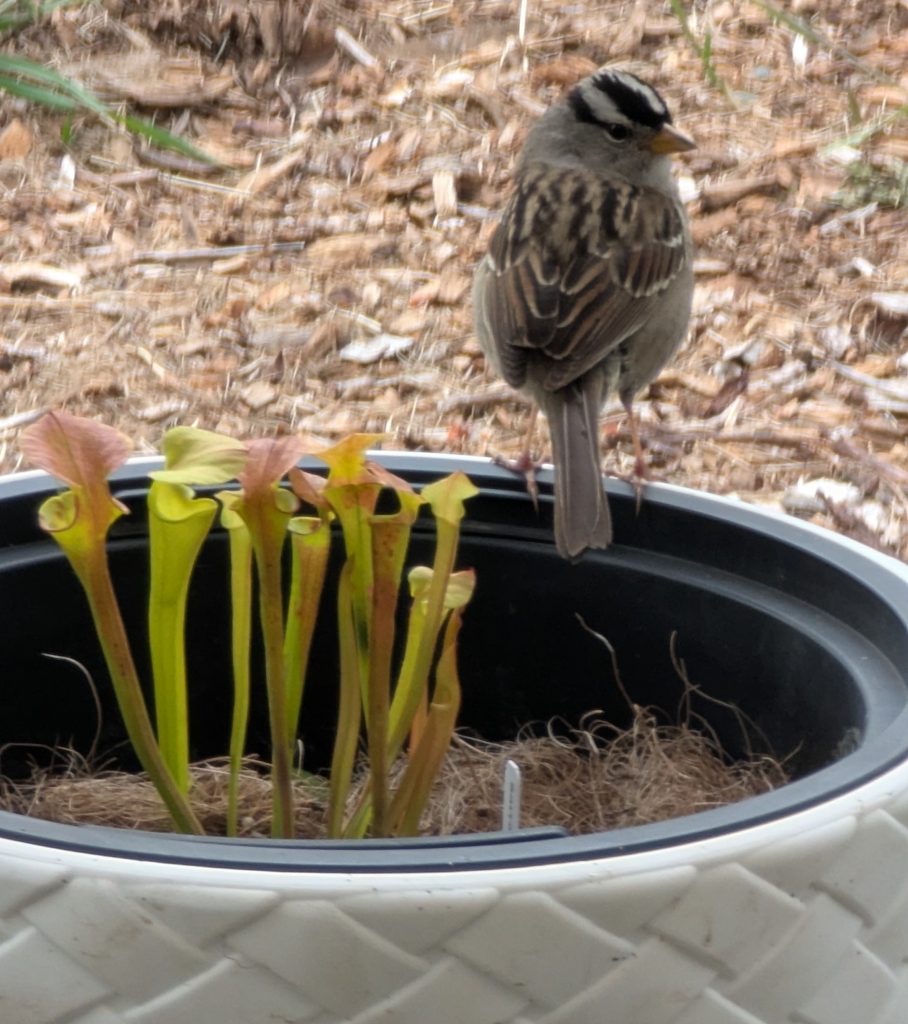
Photo by Runa Troy

In naming and acknowledging SAD, it both grounds you by giving you language for an experience many others share, without labeling yourself as a problem. It’s about understanding your rhythms so you can care for yourself with more compassion and intention. Once you’ve named and acknowledged, you can weave practical support with not just treatment routines and actions, but with Witchcraft and/or energetic practices. There was a moment back in 2016 – a decade or so after my diagnosis – where I literally yelled out the back door after like the 30th day of gray skies, “I fucking have SAD, give me a break!” It was a crude acknowledgement, but it was a positive energetic step in reckoning my shadow. If you are reading this and have SAD, I hope your reckoning is more graceful and kind. 

Both times of the year suck for having a seasonal depression. But in both cases the overculture – capitalism, the patriarchy, and living under a surveillance state – wants you to behave the same 24/7, 365-days of the year. Practitioners know this is unsustainable. However, when depression shows up – seasonal or otherwise – your brain may not be your best friend at any given moment and you will need to have in place ways to cope, destress, and build tolerance and grace to get through. This may be especially important if you’re like me and cannot take or have an atypical reaction to typical medications prescribed by western doctors. Also, the typical length of time it takes for many of these medications to ‘work,’ are about the time the disorder fades again. This means med management is often complicated depending on the individual (per the American Medical Association). And if you’re past your second Saturn return you may find that the SAD symptoms are hitting you harder than earlier in your life. But giving it a Saturnian perspective – developing infrastructure to support your life even under SAD has been helpful for me. 

Foundational to that structure is a combination of psychotherapy, Vitamin D intake (all year), and light therapy. Treatment focused on this combo has been the most helpful for my body. Your mileage may vary. As I write this, I’m under the glow of a full-spectrum light box. I do this early in the day to not disrupt my sleep. Also, there are grow lights in my greenhouse, and working with my plants while those lights are on is also helpful. If the rare and brilliant sunny day in the midst of the Big Dark here in the Pacific Northwest shows up – You will find me outside getting all the sun rays I can. Before having access to artificial sunlight, I went so far as to split my time between the PNW and the Mojave to try to battle SAD. But the Land called me back, so I had to come up with new tactics. It was normal to then approach SAD with my Craft. 

My Craft practice is rooted in the ebb and flow of the natural world, so seasonal cycles become more than just weather. They’re invitations. Each turn of that ‘Wheel of the Year’ as many before us dubbed it, brings its own lessons, energies, and rhythms. These annual rotations shape how we move, rest, create, and connect. In the bright months, I rise with the growing light; in the dark months, I descend into reflection, stillness, and deeper magic. By honoring these shifts instead of resisting them, a Witch learns to work with the season’s current, letting it guide spellcraft, intuition, and the pace of daily life. 

That doesn’t mean that I’m constantly doing spellwork, divining, building altars, or not just completely overwhelmed with magical work during the SAD season. I took a hint from the things I do for my body to apply to my practice. So you will find me focused on getting more ‘light’ into my Craft. I do more candle and fire magic in Winter. Fire scrying in front of the fireplace is stillness and depth. Even on some of my worst SAD days in the season, sitting by the fire feels healing; adding divination feeds my spirituality. Candles, bonfires, and wood stoves can also be healing like sunlight, if not simply comforting. On those sunny days when I’ve plopped myself out under the sun rays, there may just be a jug of water I’m charging to drink later – this is especially nice when it’s Capricorn season in the Northern Hemisphere, since it’s very grounding energy. I have found that using that grounding energy to make my tea (of uplifting and comforting herbs, for sure) or brew my kombucha. 

Psychotherapy can be like an energy clearing – you talk it and clear the air. When I feel that the SAD season is approaching (each year it shows up in a slightly different time, but by Fallow Thursday*, it’s here, I remember to reset any and all stagnant energy in my life, especially within my home. ‘In the preparation there is a cure,’ as my Gigi used to say. I prepare by doing lots of energetic clearing and boundary setting. I create simple charms to ward off gloom or overwhelm, and each year I perform a cord-cutting from seasonal obligations and social pressures. 

Next is where grace comes into my Practice. I upend any baneful thoughts with kindness towards myself, especially my higher conscience. I give myself the grace to allow winter to be a teacher of rest, surrender, and deep magic. I planted seeds in late summer and early autumn to honor both the struggle and the beauty of the season. Do I always get it right? No, but I learn, forgive (there’s that grace), and start anew. 

This grace leads to thankful recognition: I am able to move at that darker, slower pace because I’ve been blessed to work for the Land, Kin, and Seekers of Magic. It also helps that my gnosis is strong in ‘this too shall pass’ and it does every year. In the midst of coping with the winter blahs (my former name for it before diagnosis), I approach each day with gratitude. Finding that gratitude can be a magical spell in itself, especially when SAD is beating a Witch up pretty hard. When all your brain is saying is to sleep, that gratitude can change the tide. I find this by winter introspection journaling, making rest sacred, and creating a small section in my BOS/Grimoire for winter mood tracking, dreams, and energetic tides. 

Like Janus, the god of doorways, gates, boundaries, thresholds, SAD can often feel like being suspended between who you are in the light months and who you become in the dark ones. That’s a liminal space, and Witches love liminal space. So it still sucks, but it doesn’t last forever, you’ve already overcome this before, and there are choices and exits when things feel stuck – like a door having two directions. The Witch reframes this season as sacred and not punishing. May your season bring you that reframe, even if SAD has you by your witchy locks. May you find and step into a different type of power that centers, grounds, reframes, and is gracious and grateful.

If you’ve read this far, let me leave you with a bit of a Big Dark blessing:

May the dark months wrap you in gentleness, and may your inner flames glow steady and sure. May you honor the light you carry and the rest your spirit craves, trusting that both are sacred, both are needed, and both will guide you through the winter’s quiet magic. 

Go drink some water now. 😉

Blessed Be,

~R


**Fallow Thursday is my term for the US’ Thanksgiving holiday. In 2024 our Covenstead finally decided we were not going to stress everyone out with this middle-of-the-work week holiday. Instead it’s dedicated to being fallow as the Land is doing.

What The Witch Is Reading – A Writing Break -April/May 2025

Posted on May 12, 2025May 12, 2025 by runa
This section of my blog is dedicated to spreading the love of reading and books and the people who make them happen. I would not be the Witch I am today without books. I owe an obscene amount of gratitude to all the makers of books out there. This is my way of giving back. I hope that something I pick up and review will guide you to acquire the next tome on your To Be Read stack. 

I have currently been doing a lot of reading. A lot. But it’s not the on-brand for a Witch reading I was doing over the last year where I reviewed the fun, interesting, and often esoteric books. Nope, this reading has been all for research for my current manuscript in progress. I should clarify that I still find this interesting and engaging – a lot of it in a field I’m sure is going to change so many people’s lives. But the subject matter is hush-hush until public announcements can be made. I will say it’s going to merge science, everyday life, and Witchcraft. 

Despite having read a near Witch’s dozen of books since the last What The Witch Is Reading post, It hasn’t left a lot of fodder for ‘reviewable’ content. Posting a WTWIR on all these books would potentially give away the secret too soon. But it did make me want to write a bit about how reading helps our writing skills. Reading is a great writing teacher. 

“Read, read, read. Read everything — trash, classics, good and bad, and see how they do it. Just like a carpenter who works as an apprentice and studies the master. Read! You’ll absorb it. Then write. If it is good, you’ll find out. If it’s not, throw it out the window,” as famously reported by John Ochwat as a William Faulkner quote. 

I have read widely and intentionally as one of the more effective ways for me to become a better writer. Although my studio’s bookshelf is full of mainly esoteric books, the other shelves within my home feature everything from how to turn dirt into soil, writing books, novels in every genre, text books, biographies, poetry volumes – all of it. 

Here’s what my daily reading habit (specifically book reading without the screen) has done for me over the years: 

  1. Word Nerd Love. Reading builds vocabulary and language skills. As you read you’re exposed to different words and phrases. You unconsciously absorb grammar, syntax, and rhythm. You begin to see ways of improving your own sentence clarity and word choice. 
  2. Story Set Up. Reading teaches structure and form. As you read you’re digesting narrative structures, pacing, story arcs, tension through observation, the conventions that each genre uses, and just the sheer vastness of formats from essays, to novels, to one of my favorites: flash fiction. 
  3. Cheap Inspiration. It’s rare I’ll be reading a book that doesn’t rev-up  my inner good-idea fairy. Books spark new ideas, themes, perspectives, and melded with your worldview, creates layers of possibilities. Have a writing block? Go to a museum or read new poetry. It unblocks things often in my experience.
  4. All The Feels. Reading enhances empathy, character development, and where rules are broken successfully. There are innumerable ways to see how different writers grow their characters, pace their stories, and get you – the reader – to relate to the text. You read how other writers make you feel something with their writing. That teaches us how we might accomplish the same within our own writing. Making the reader feel something is the whole point of being a writer. Reading allows us to contrast and compare, too, It shows us where the rules we’ve learned – both via reading or training – can be broken successfully, which often clicks open a new pathway via point #3 above. 
  5. Think Better. Reading encourages critical thinking and reflection. You might notice when a writer isn’t as successful, but noticing when they are on point teaches us as well. You can see how others use voice, tone, and reflective phrases to make the reader pause and think. The more we do this the more we become better self-editors and begin to read like a writer – like noticing when a writer leans too heavily on adverbs or passive verbs, and then you’re scouring your manuscript to make sure you haven’t fallen for the same foible. 
  6. Community. Reading motivates and sustains writers. Being able to talk about books ala clubs or within friendly circles is another way that reading helps us become better writers. Studying the discipline and craft of published writers propels our own craft forward. Reading about the community of writers can illuminate all kinds of tips and tactics. Love a particular writer? There’s a good chance their career is inspiring your own and pushing you to finish that project you’ve been working on for five years. 

Reading is not just an enjoyable hobby, it can be a life-long teacher in writing. If you build a regular reading habit, and integrate it as part of your writing goals, things like new vocabulary, alternative structures, character development, and even critiquing others’ works energizes and brings new vigor to the writing process. 

What are you reading? How did it change your writing? 

Creator’s Note: I hope to return to regular What The Witch Is Reading selections very soon. This current Work In Progress is very demanding. 😉

What The Witch Is Reading – Feb/March 2025

Posted on March 7, 2025March 7, 2025 by runa

This section of my blog is dedicated to spreading the love of reading and books and the people who make them happen. I would not be the Witch I am today without books. I owe an obscene amount of gratitude to all the makers of books out there. This is my way of giving back. I hope that something I pick up and review will guide you to acquire the next tome on your To Be Read stack. 

February flew by with a flurry of whiplash from our current political climate. I continue reading books as a way to resist the shift to fascism within my country of origin – although apparently that’s up for review, too. So here it is the beginning of March and I missed a February post – actually I didn’t miss it, I just became distracted with :: gestures about wildly :: and FORGOT TO POST IT! The political rages is real. However many more words were written over on my Patreon about how to provide pest control for the species of Nazis America is dealing with now. 

Recently Finished:

Blackthorn’s Protection Magic: A Witch’s Guide to Mental & Physical Self Defense by Amy Blackthorn.

Blackthorn really wants the reader to understand where they stand in the world of magic before proceeding and that kind of expectation is something I deeply support. Like many Craft books, it might be wise to bring a notebook and pen to your reading sessions. There are many questions to answer as you make your way through Protection Magic. Big fan of chapter 5 – gardening for protection and if you ever get a chance to visit Villa Westwyk, you’ll see all the protection plants here. Blackthorn’s physical security background made this a triple threat book because it covers mental, physical, and magical protection. Bad ass, in my book. This is a book I’m likely to refer to repeatedly when crafting Protection spellcraft, wards, and the like. 

The Serviceberry: Abundance and Reciprocity in the Natural World by Robin Wall Kimmerer

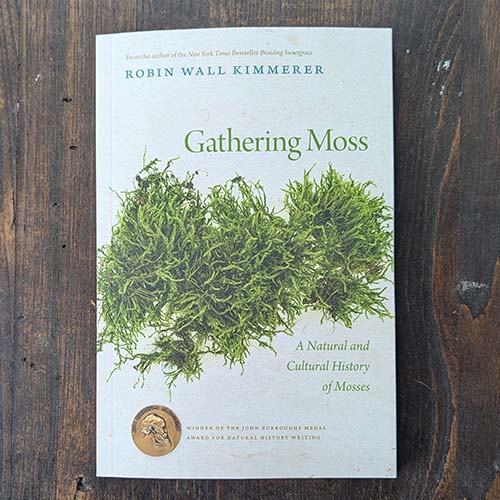
From the author of Braiding Sweetgrass and Gathering Moss comes another title that seems destined for more in my own life, as getting more serviceberries here at Villa Westwyk is a goal. Kimmerer is known as a great teacher and her approach to storytelling and distilling science into magic made learning all about natural wealth distributions and the idea that all flourishing is mutual. In a world where the rich cannot be satisfied, I can see this book helping folx realign ‘enough’ in their lives. Given my permaculture background, Kimmerer speaks to my soul when she writes, “the Maples who gave their leaves to the soil, the countless invertebrates and microbes who exchanged nutrients and energy to build the humus in which a Serviceberry seed could take root, the Cedar Waxwing who dropped the seed, the sun, the rain, the early spring flies who pollinated the flowers, the farmer who wielded the shovel to tenderly settle the seedlings.” Kimmerer is a member of the Citizen Potawatomi Nation and her indigenous understanding of people as partners and equal beings demonstrates the network of relationships that the Earth’s survival –and all its inhabitants – depends on. But each time I give a bucket of berries to my neighbor, I’m going to give a nod to this book and its mission to shift the never-satisfied environment of capitalism and shift into a gift economy. Such a changed economy will value things like reciprocity, community, and sustainability. This book is tiny but powerful. 

Relishing Longer:

On Tyranny: Twenty Lessons From The Twentieth Century by Timothy Snyder

Many folx have been reaching for this book again after the November 2024 Presidential election in the United States. I read this back in 2017 when it first came out and democracy was being attacked then. It’s still being attacked and it felt like an act of resistance to re-read this and having the first Trump presidency in the rearview (and the Pandemic) as a new ruler to measure the lessons Snyder presents in this book. Snyder lays out how fragile democracy is and how we can (and dare I say, must) defend our freedoms. Each lesson is a directive for that defense, such as “Establish a Private Life” or “Be as courageous as you can,” as well as the well-known “Do Not Comply In Advance.” We can change the structure of the situation we are living in right now and the instruction manual exists in this little, yet powerful book. 

Up Next:

As you can see, I read a little of everything. I’m always curious about what others are reading. What book are you working through right now? Let’s talk about books! Comment below. If you have a book you think I should read, let me know that, too!

  • 1
  • 2
  • 3
  • 4
  • …
  • 14
  • Next

Writing Witch

My book with Llewellyn Worldwide: Magic In Your Cup: A Witch’s Guide To Sippable Spellcraft. Available everywhere books sold!
© 2026 Runa Troy – Creative Crone | Powered by Minimalist Blog WordPress Theme