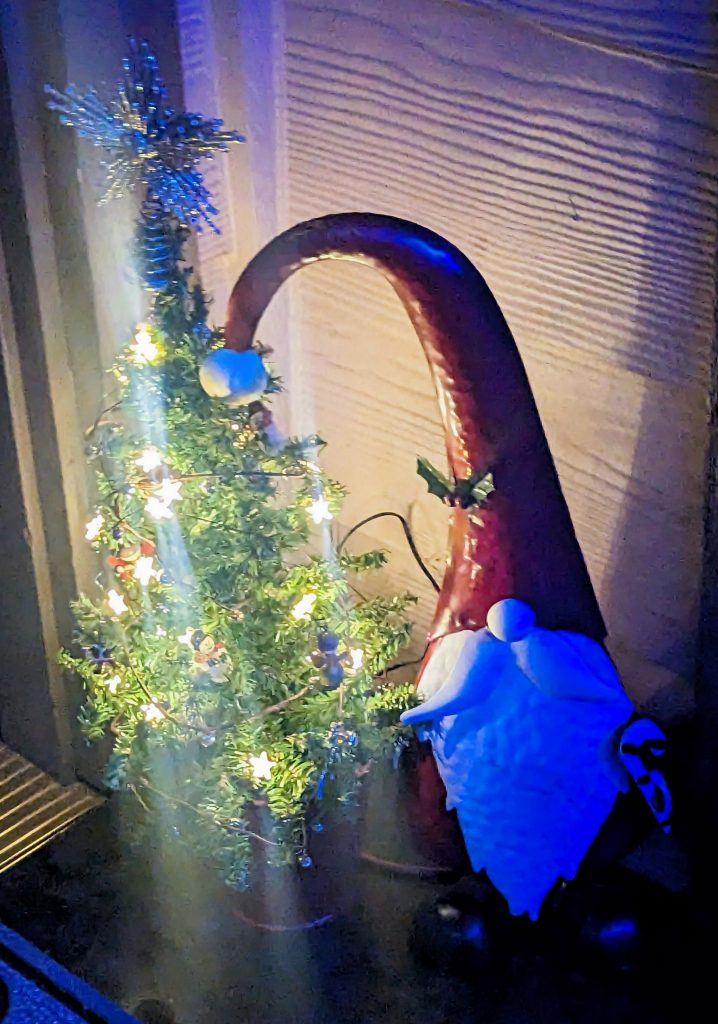
In the last few years, my partner and I have felt the gentle tug toward older traditions, especially as winter begins. We’ve leaned in harder to the unique cultural aspects that our ancestors loved. These pops of echoes throughout the covenstead honor stories told by grandparents, snippets of folklore tucked between recipes and holiday rituals. On the surface it looks like our house is full of garden gnomes. And it is.
Over the years here at Villa Westwyk, our cozy cottage has begun to be filled with images, statues, and decor of (Jule) Nisse (Tomte), aka what Americans know as gnomes, or what those in Iceland call the Yule Lads (Jólasveinar). The latter have names like Spoon Licker, Door Slammer, and Window Peeper, so you know they are put in the trickster spirit column. But none of the pranks they do are completely harmful, but more a reminder that the spirit of the Land needs tending and nurturing.
Found throughout Norway, Denmark, and Sweden, these small, mischievous household guardians from our Northern European ancestors have become a charming theme for our winter Solstice observances, and we’ve employed them as part of our regular warding and protection magic. The gradual inclusion of these symbols of gratitude for the simple things in winter – As we began to decorate the covenstead for Yule, the theme of these holiday tricksters bring a blend of generosity, humor, and just a pinch of chaos, which aligns well with the PNW’s moody, moss-draped December.
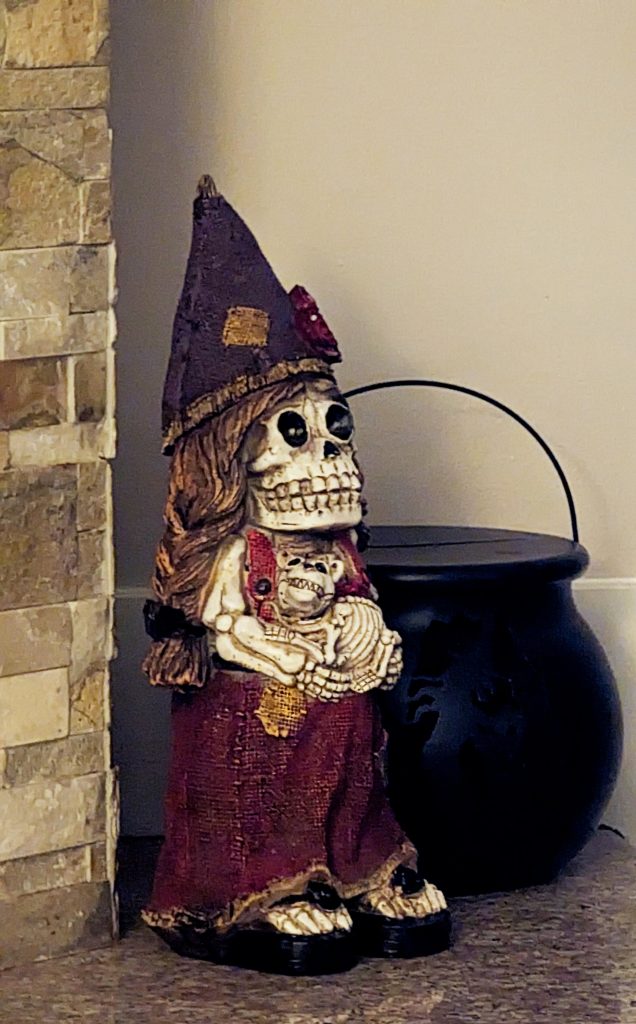
Growing up both of my partner and I were taught about these protectors of farms and families, hosting a beard much like my partner bears.That such energy would follow us here to the landscapes of evergreen forests is not surprising. Our covenstead, soft with rain and wrapped in fog, already feel like the natural habitat of the energy that tomte & nisse hold. They are after all, creatures who thrive in places where the boundary between the everyday and the enchanted is thin. The Yule Lads, who in Iceland descend from the mountains one by one each night, would find no shortage of dramatic ridges and misty foothills to wander here. You can almost imagine them stepping out from behind a cedar trunk with a half-eaten cookie and a grin. They remind us that winter magic lives in the handmade and the thoughtful. They were like tiny elfish guardians, ensuring the well-being of land, livestock, home, and community through long, dark winters. Their presence mirrors a worldview where the home and Land are sacred, alive with unseen watchers.
However, you do not want to disrespect these spirits. Like other Land spirits across the world, these mini-santa-claus characters are highlighted in the time between Dec. 12th and December 24th, coinciding with many of the global cultures’ winter festivals. They can be as prickly as the Yule Cat, the pet of the ogress Grýla, who is said to be the mother of said Yule Lads. Don’t disrespect them or you won’t be seeing a mysteriously placed pinecone on your windowsill, but maybe a broken window, which is especially not fun when it’s winter. The lore about their naughtiness was that the pranks were spurred by misbehaving children in the household (sound familiar?) Well behaved children meant the Yule Lad milked the goat as opposed to stealing the milk. And good children received small tokens and treats for their efforts. When the Yule Lads are helpful, they would like to be acknowledged for that help. So traditional celebrations, offerings, and poems of gratitude fill the winter nights in their honor.
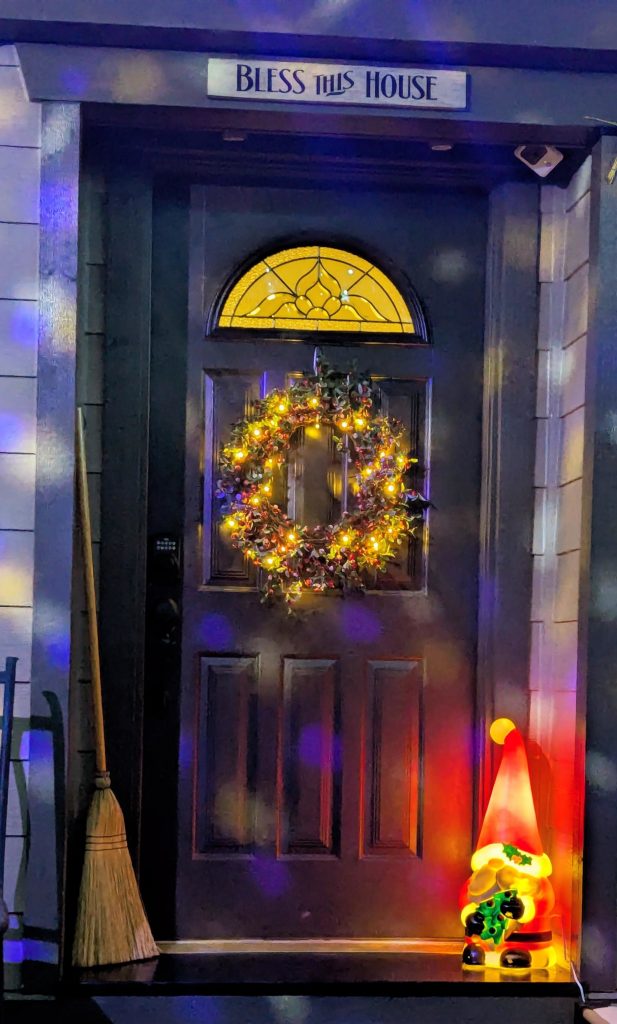
We’ve rekindled and reinterpreted this ancestral customs of the Yule Lads as winter offers simple, low-pressure ways to bring the tradition into modern life. Ancestors may have left out a small bowl of porridge or cookies (sound familiar?); and today it’s a lighted candle in the window, a little brew from the cupboard, left as an offering in gratitude for the home and the Land that shelters us. The GrandWitchling likes to check to see if “someone” has taken a sip. Honoring traditions doesn’t require strict accuracy or elaborate ceremony. What matters is the spirit of the custom. For us it’s about respect for the unseen energy everywhere that is channeled to safeguard the home and protect all its inhabitants. In a region where winter stretches long and the nights fall early, these small rituals offer warmth and a sense of continuity. And if what matters is held in the vessel of an impish gnome, I’m even more about it because, let’s have fun and joy where we can get it, yes?