Category: Blog Post
What The Witch Is Reading – August 2026
Hunt, Gather, Books!
Sister of Darkness: The Chronicles of a Modern Exorcist by R.H. Stavis with Sarah Durand
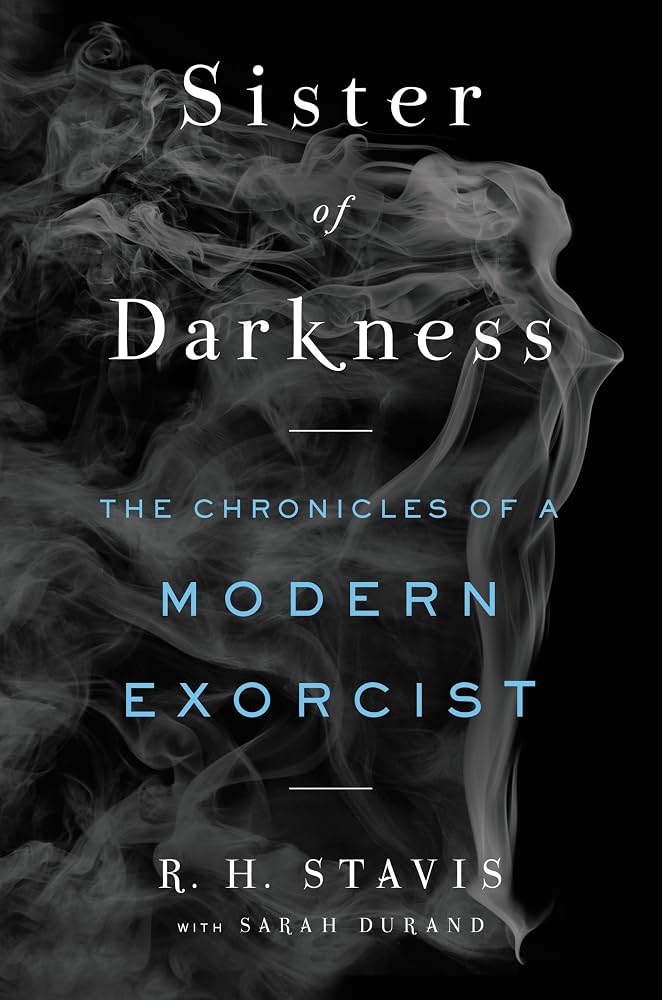
This book was recommended to me by my Spirit Work mentor, because I described for them in something that I was experiencing when I was practicing mediumship. Because of this, I read it quickly and then, re-read it again.
Stavis is a horror screenwriter and a secular exorcist. She clears a range of dark forces from people of all backgrounds, including hollywood elites, athletes, and anyone who needs her help. In the book I was personally taken with her stories about seeing invisible entities as a child, but learning to ignore them because of disbelief and punishment. However, adulthood comes for us all, and Stavis had to accept and hone her gift, mostly on her own.
Through stories of the exorcisms she performs, emotions seem to be the biggest factor in what creates the possession or attachment of these negative forces. Stavis does refer to them as demons and there isn’t just one kind of demon, which she details throughout the book. Whether its a Clive, Wraith, Trickster, Collector (shudder), Furbies, Realm Walkers, Poofs, or Sandman, Stavis takes you on an underworld tour in a open, witty, and unashamed way, without seeming cocky.
The weird thing is it all makes sense when you close the book. Want to shake up your book club next month? Pick this one up and watch the conversations erupt into the paranormal.
Mycelium Running: How Mushrooms Can Help Save the World by Paul Stamets
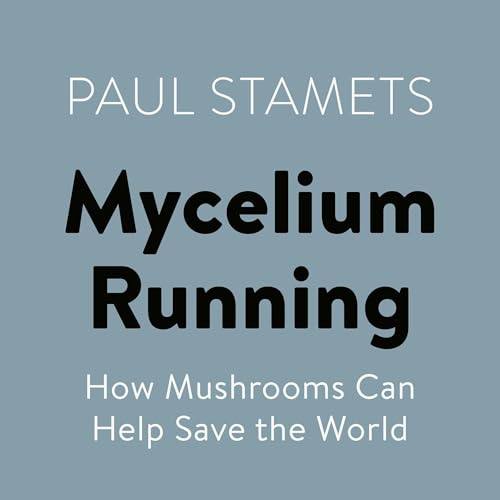
The biggest takeaway from this book is that I NEED to get his book Growing Gourmet and Medicinal Mushrooms the next time my book piggy bank is full again.
The connection Stamets has with mushrooms is what I would call divine. He doesn’t say it in the book, but the language, stories, and presentation showed me a more animistic worldview If you garden or grow food, reading this book will blow your mind when you learn everything about fungi.
A good core of the book – almost manual like – is about how mushrooms restore ecology out of balance. If you farm, forest, clean up pollution, or just like eating chanterelles, this is a near expansive mushroom-tech encyclopedia on everything fungi. Nothing in the book has not been experienced by the author, too, so the stories behind the information, the practical applications, and recommendations all come from Stamet’s lived experience, with all the scientific footnotes included. More reading, yay!
The Reverse Centaur’s Guide to Life After AI: How to Think About Artificial Intelligence Before It’s Too Late by Cory Doctorow
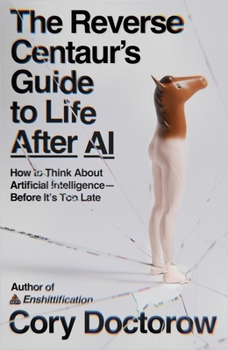
You don’t have to be a Tech Witch to read this book. There is more to AI than most of us realize, and Doctorow breaks it down into accessible chunks for even those among us that are tech-noobs. There is some tie in back to his book Enshittification, and if you haven’t read that, I would recommend reading that first before this, because you have a better establishing view of the corporate influence all of it.
Doctorow does not provide all doom and gloom regarding AI in this book and presents some very useful ideas that can be applied to how we apply any of our energies, not just Large Model Machine Learning capabilities. If AI is frightening to you, there’s some definite hell-yeah moments that bring hope into a potentially scary future with this tech. The key he presents in the book revolves around open-source, ethically generated, low-energy models, AI might be a good partner for humanity.
However, as this book brings to light, the problem is what it always is, money. Tech companies are now what they call “growth” companies and are worth more than standard corporations. This means that Meta or Google use AI to convince investors to bring more money because they are just expanding, in other words, growing. Because billions of dollars are not enough. Which will bring an AI crash, he wrote, “Remember: the reason the ai bubble exists is that companies want to prove that they have high growth potential, in order to secure high profit to earnings rations, which will let them buy businesses and hire key employees with stock, rather than cash.”
If you, like me, have already digested a bunch of Doctorow’s work, including his podcasts and blog posts, this solidifies all he’s been saying about AI into one quickly read volume. If you’ve read nothing about Artificial Intelligence, this one has a deep focus on the money, the good, the bad, and the ugly, but also some hopeful likelihoods that we can all contribute to (like pulling any stock – e.g. retirement savings – out of anything heavily invested in AI). In the end, they will come back to humans doing things because none of it is sustainable. It is not inevitable.
Hunt, Gather, Parent: What Ancient Cultures Can Teach Us About the Lost Art of Raising Happy, Helpful Little Humans by Michaeleen Doucleff
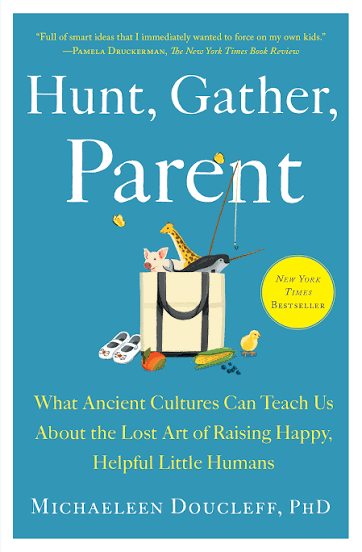
Why would a Crone pick up a book like this? Because there’s a grandchild in my life now and I know that how I raised my kids probably isn’t the best way, despite feeling like I did a passable job given each kid and the circumstances of the world and my own life while being a mom.
I loved that the author – a PhD and former NPR reporter investigated how the rest of the world parents their children because there weren’t enough studies that explained why Western parents raise their children so differently to the rest of the world and why we do it. What she discovered was that there is a better way and we’ve been duped into believing we’re helping our kids by doing it this way.
She visits a Mayan village in the Yucatan Peninsula, Inuit families above the Artic Circle, and Hadzabe families in Tanzania. These cultures do not have the same problems with children that we do in the West. She discovers that there is a Universal Parenting Method around the world that does not exist in the USA for certain. This parenting style is built on cooperation, not control. There is no fear, but rather trust, and the kids in these parts of the world are loyal helpers to their entire community, not just their family. There’s no bribing, chore charts (a favorite tactic I employed, ugh), and a deeply ingrained focus on emotional intelligence and being calm while teaching and instructing. There is no anxious kids in these cultures and in many others like their are here in America.
Now, there’s no “you’re doing it wrong” slung at the reader, just evidence of Doucleff’s own struggles and comparing her lived experience and need for knowledge and new tactics so that she didn’t hate being a parent – and if you’re a parent and reading this, you know there are times where it is the hardest thing ever. Regardless you have to show up. Doucleff bolsters her interviews and investigations with these far-flung cultures with information and studies from mental health professionals, psychologists, neuroscientists, anthropologists, and sociologists.
How consumerism has ruined families is pretty evident in this book, too. It scratched an itch I had about how I had been feeling about making time with my Grand Witchling more about them accompanying me in my life and learning from the everyday things I do as opposed to activities being kid-focused. She’s on Team Gigi & Pop-pop. Western parents are in a current crisis of making the child run the ship. This book redirects how being the adult helps a child’s emotional intelligence development. One of the things I was always cognizant of in my own parenting experience is that I wasn’t raising children, I was raising adults, and the autonomy tips in this book lean that way as well. Autonomy is different than independence or individualism and is something the rest of the world understands in its parenting, but western parents could learn lots from just this point in the book. In the end, parents set the schedule and tone and only interfere when safety is an issue or to teach cultural values.
Ask yourself if you’re a U.S. parent – what cultural values are you teaching your kids beyond consumerism? If you are teaching them helpfulness, teamwork, and ways to explore without entitlement, you’re ahead of this book. But if you are constantly giving verbal instructions, your kids and you are stressed out. Learning to ask questions instead of giving commands is a big part of this book – The questions are not to give the kid a choice – that stresses the kid out often, too. But those questions are to make them think about what their actions do in the context of the rest of the world, e.g. consideration of others (including parents).
My only issue with this book is there is some lines of questioning the author suggests that border on shaming a child. Again, I think if you apply being calm and peaceful and never raising your voice, they can come off a bit more introspective for the kid, but I would caution any parent or grandparent about this part.
Yet the good of the book outweighed some of the questionable and I’d hand this book out to any new parent or parent-to-be. And of course, I’d give to grandparents, too.
What The Witch Is Reading — June 2026
It’s that time of year when my reading tends to be seed packets and permaculture reference books. It’s high growing season. I’ve also been catching up on my podcasts. Here’s a few that I listen to with consistency if you’re curious:
A Magical World with Sterling (Moon)
And the latest and juicy one: Chaos and Cunning
Always looking for recommendations for others, so comment if you have one you think I might like!
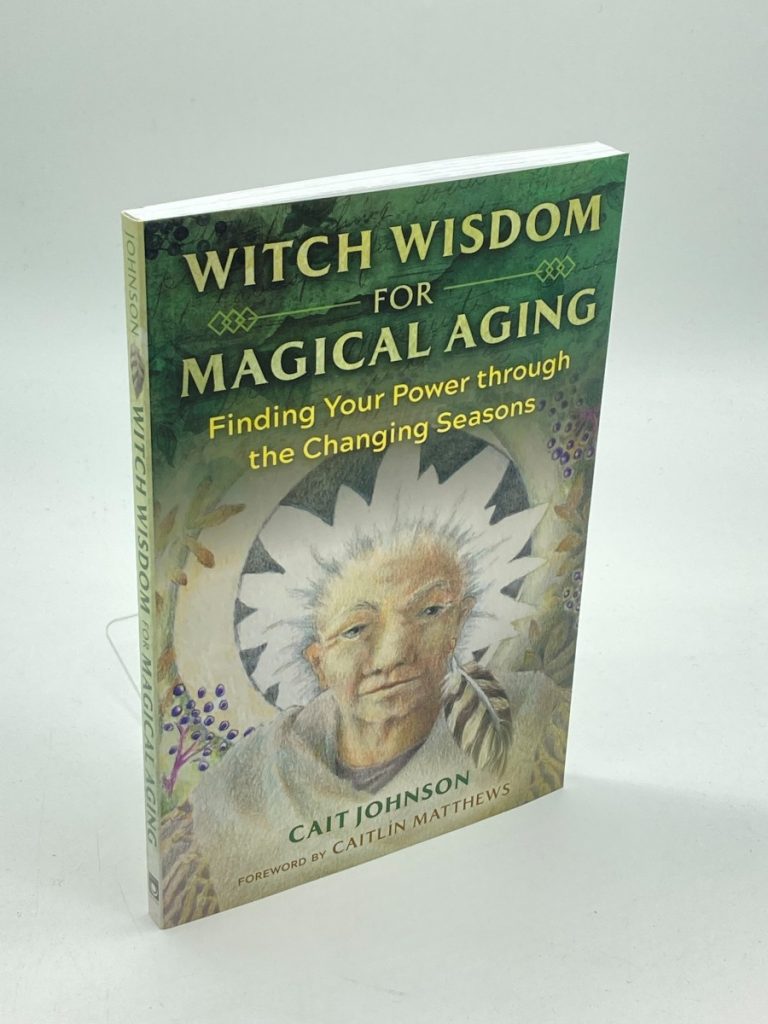
The one book I did finish was a small one, Witch Wisdom for Magical Aging: Finding Your Power through the Changing Seasons by Cait Johnson. Honestly, I feel like I am (and have been) living much like the four witch characters that speak to the reader throughout this quick book (just 164 pages). In the end, there wasn’t much in the book for me personally – like there was not any new information on the Craft and living as a Witch. But then, again, clearly I’m not the audience. However a newer Witch who is in mid-life and just now starting to think about what their Crone years might bring could potentially benefit from this book. I almost think that Johnson would have had more luck turning this into some kind of fictional work with the four season witches being in a coven and teaching mishap laden newbies.
My friend also listened to the book on audio and said the narrator (Carolina Lendro) didn’t know proper pronunciation of words like Samhain, and referring to Romani as gypsy, and other problematic things like that. There also was some inching very close to co-option behaviors, they said. I can see where that likely happened in the text version and if I liked the book more, I might give it a listen to see, but I have other books to finish first.
There was an interesting section on sex and the Crone in Witch Wisdom for Magical Aging, and good practical advice on de-cluttering. Again, Felt like there wasn’t any real revelation for a long-time practitioner, but likely would be revelatory for new Practitioners. This one, I’m afraid, is headed to the free library.
Hope you’re enjoying summer. I’m working through three or four other titles right now and hope to have them to you next month. Enjoy the rest of Cancer season, readers and I look forward to your recs for reading or podcasts.
Pagan on Duty: Dog Tags, DEI, and Change

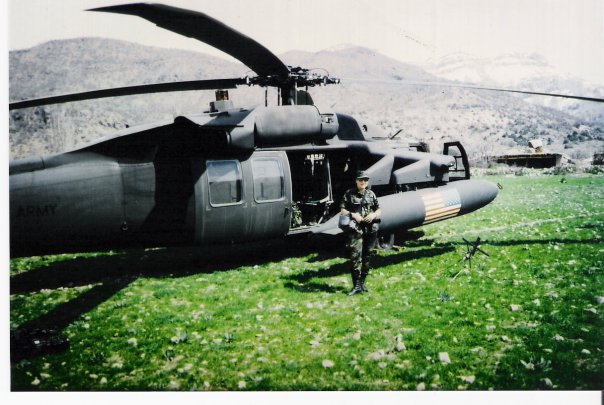
When I joined the Army in 1992, my first introduction to military life was my drill instructor’s “we all wear green” speech. He was a Black man, a Vietnam veteran—sergeant first class—and the recruits looked up to him immediately. His desire for respectful interaction was surprising to us recruits who were expecting something a bit more comparative. Right from the get-go he was teaching us how to treat one another. Anti‑racism was clear from day one, the opposite of the stereotype Full Metal Jacket portrays.
Inclusivity wasn’t limited to my DI. At the time my training unit was one of the last all‑female battalions; an all‑male battalion trained in the adjacent quad. Don’t Ask, Don’t Tell was already rumbling and would become official policy months later, but the atmosphere felt, imperfect as it was, like a move toward a more equitable military. My lead DI was quietly authoritative, steadfast, and committed to intersectional inclusion. Near the end of training he told us that without women the military would be “much less than it is.” Current administrative rules about what can go on dog tags make the military less than it should be as well.
He stood up for me later in training when another DI teased me about my name. I learned he was pagan when we got our dog tags and discovered there wasn’t an officially recognized faith code for his beliefs. Dog tags indicate a service member’s faith so that traditions—like last rites—are honored. He listed “Catholic” on his tags because the imagery felt closest to his beliefs. I chose “Other.” One squadmate who was Wiccan chose “No Religious Preference.”
On Sundays, those listed as “Other” or “No Preference” often stayed in the barracks for chores—boot polishing, uniform pressing, barracks cleanup—while others attended religious services. Sometimes I went along just to get out of the barracks. It felt unfair that, because Fort Jackson lacked services for “Others,” we were assigned work while Christians received time off.
At my first duty station, friends in Personnel Services made me a contraband pair of dog tags. I remember feeling emotional when my buddy gave them to me: in all caps under my name, social, and blood type read “PAGAN.” I wore them proudly. Leadership knew, and—like Don’t Ask, Don’t Tell—didn’t make an issue of it. During my service, internal rank‑and‑file pressure, command surveys, and soldiers’ time were used to push against outdated policies restricting faith codes and non‑traditional partnership recognition. Minority religions were present across the force in my experience: another pagan practitioner was involved in family readiness programs, heathens performed blóts, and Wiccans held initiation circles.

In 2001, Veterans Affairs adopted a new procedure and approved the addition of emblems of belief for other faith groups for military headstones, much by the hard work of Circle Sanctuary, a non-profit nature Spirituality Church, also known as their Pentacle Quest. I would end my active enlistment time right about when it became official for Pagan and Earth-centered traditions to be an official religious preference on dog tags and service records (circa 2007). Between more women serving side by side with men, the inclusion of openly serving queer community members, and more faiths being recognized, it seemed like the Department of Defense was maturing and becoming a place of diversity, equity, and inclusion. Oh, right, DEI was part of our annual training, too.
Two decades after that adoption, servicemembers may again be forced to choose “Other” or “No Preference” because the inclusive coding system that guides chaplains and caregivers has been narrowed. That matters: chaplains are often the frontline support for faith practices, including in combat. The current U.S. Secretary of Defense used this policy change to roll back equity and equality, reflecting a broader push toward privileging one religion over others.
Civil‑rights and advocacy groups are challenging the policy. American Atheists filed a FOIA request, and the Military Religious Freedom Foundation is speaking out. Lawmakers, including the co‑chairs of the Congressional Freethought Caucus and a coalition of Utah legislators, have applied pressure and demanded answers.
You have a voice: contact your senators to urge them to require the Pentagon to recognize all belief systems (Paganism, Humanism, Atheism, etc.)—for example, by inserting a provision in the next National Defense Authorization Act or attaching a funding rider to defense appropriations to prevent enforcement of the restrictive system.
My rebellious dog tags spent decades as just dog tags—no rebellion needed—until now. Stored in my footlocker at Villa Westwyk, they remain a symbol of resistance and proof that change is possible and worth protecting.
What the Witch Is Reading — May 2026
This month has been busy with spirit-work seminars, kin-keeping, garden-building, and the affects of Jupiter return energy (more on that later), so book reading time has been at a premium. Regardless, still have three titles to share with you. What have you been reading? Tell me, please in the comments!
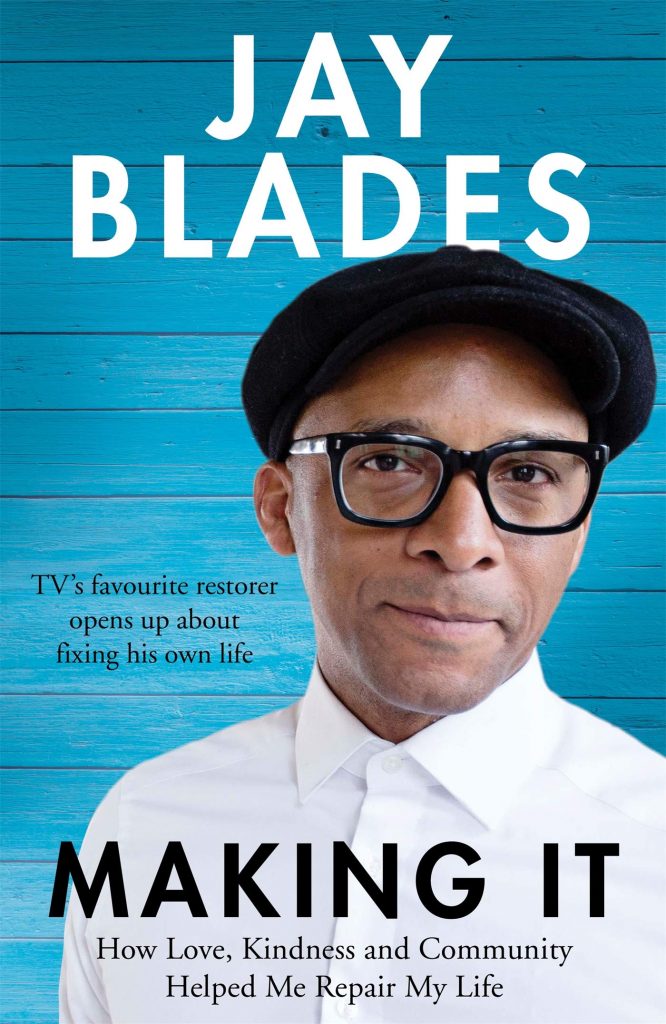
Making It: How Love, Kindness and Community Helped Me Repair My Life
By Jay Blades
I once had a friend who told me that the one thing he appreciated about me was that I made his life look good. Yeah, it wasn’t a compliment, but I felt that sentiment while reading Making It. Gratitude. Yet, hope has seemingly always powered Mr. Blades through his life. And it gave me gratitude and hope reading this.
I also have a whole new perspective on the person many of us may have first met through the cozy show The Repair Shop. As a couple, my partner and I love treasure hunting in thrift stores, garage sales, and curb-side garbage picking. So I deeply appreciate Blades and by default also The Repair Shop for saving what was important to the last generation. To me, this feels dutiful and appreciative for the those who came before.
But like the layers of dirt and slapshod paint that Blades has removed from countless pieces of furniture, there’s more to this man than what one tv show portrays. I respect him even more having read this memoir, especially given all the bullshit he’s been through – As an American, to hear that Britain is just as bad as the United States in regards to young black men is bitter. Why did I think the UK was more progressive?
Regardless, the memoir is certainly inspiring and the call for anti-racism, expressing emotion from men, especially in interpersonal relationships, as well as de-stigmatizing mental illness and behavioral health treatment, is threaded throughout his personal story. By the last chapter, I was left with the reassurance that if you just keep trying, keep showing up, the Universe makes sure the opportunities come forward. You just have to keep trying. You can’t give up.
Well worth the read, or a listen if you’re into audio books.
Gathering Moss: A Natural & Cultural History of Mosses
By Robin Wall Kimmerer
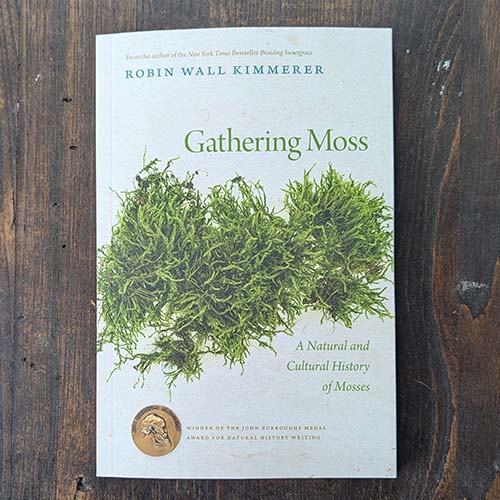
Up front, I need to tell you that I love listening to Professor Kimmerer while working the Land. So this book was definitely an audio listen. But, like all her books, I’ll listen, and then I’ll get the book for reference for my shelves. Each essay in Gathering Moss is peppered with wisdom inspired by the author’s indigenous worldview and of different types of mosses. They break down the science into stories and that’s some of my favorite reading. Kimmerer looks at mosses in this book not just scientifically but shows us the spirit within the moss, too. The fact that a PNW university helped publish this book is just a bonus for the collective culture of the Land where I reside as well. I’m shoving this book into my insurance companies face when they say I need to remove moss from my roof. It’s a capitalistic lie. I think I’ll take an Environmental and Forest Biology professor’s word for it and not yours.
The Grief Cure: Looking for the End of Loss
By Cody Delistraty
Checked this one out of the library, because I’ve been doing a personal exploration of loss and grief, especially in the context of the culture of the United States. This book fit the bill, since the writer of this book explored an array of perspectives, actions, and events to deal with their grief, from trying to figure out if they had a disorder over their grief to trying to expand neural pathways with psychedelics. It’s clear this book was born of deep feelings. And reading it you will likely have lots of feelings about the author’s journey. I certainly did.
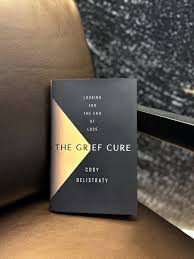
The author was desperate to find the end of the feelings of loss they endured after their mother’s death. All of us have endured some sort of loss that produced grief, and the author’s situation is clearly relatable. They tried therapy, talked to AI, did mushroom therapy, laughter therapy (which made him have to force laugh in a very public place), visited shamans, did bibliotherapy (which I didn’t know was a thing, but might check into it), etc. They wrote, “There is a difference, too, between closure on the one hand and memorials and rituals on the other. Memorials and rituals, I think, are healthy and helpful. It is the belief, however, that they signal the end to grief and reflection that can prove shortsighted.” As a person who has always side-eyed western funerals, this comparison between closure and grief’s end made so much sense. Portions of the book feel a bit too self-centered on the author, but moments like that kept me reading.
Much that hampered the author’s journey with the grief over the loss of his mother, is our own society. Our own hang-ups, societies dictation, or even how loss and death presented itself in our lives. They write: “What a society chooses to grieve is ultimately its way of “posing the question of who ‘we’ are,” writes the philosopher Juidth Butler. “By asking whose lives are considered valuable, whose lives are mourned, and whose lives are considered ungrievable.” Yet Delistraty concludes quickly through half of the actions, therapies, and coping mechanisms, that: “In death and grief, there may be no singular truth at all, only what we tell ourselves.”
One of the interesting things is that the author themselves recommended text within the prose about other books on death and grief we should read. This includes: Mrs. Death Misses Death by poet Salena Godden; R.K. Narayan’s The Guide, which sound like more fodder for this Scorpio Stellium’s relationship with loss and death. Like the author of this grief exploration, it’s not how grief affects us, but what we do with it. “How easy it is to be engulfed by grief, drowned in it. To retain the positive memories is to be its master. To some extent that is the great experiment of life: to not become your loss, to alchemize it into wisdom.”
Rain, Hail, & Poetry
The ides of May brought glorious rain, and not so glorious cooling. But the gardens of Villa Westwyk, and Grandmother Willow* were thrilled to have a full day of rain with a near inch of accumulation. The rain also brought lots of inspiration and had me penning a poem during a small tea break. I feel pretty good about it — it’s been about a year since I’ve written any poetry beyond spells.
I struggled with whether or not to share it; but, it felt synchronistic to my intention of creating a magical life #OnTheCovenstead and to ultimately feed hungry community members with the food that I grow and the energy exchanges I do through my Creative Crone Shop. If nature inspires some creative work, it feels appropriate to share, especially since I’m approaching my Jupiter return. No better time to share my knowledge and perspective.
So enjoy the poem, and maybe go put your bare feet on the Earth while you read it.
Liminal Hail & Farewell
By Runa Troy
Spring messages us by drenching rain
One of the last long soaks
Before the Covenstead hardens
Into the dry language of summer.
It reveals like an opening night.
Spring, soft-voiced, reluctant, yet determined
Gathering her mystical tools to depart, whilst
Summer showcased by spotlight, adorned in sunflowers
Hail striking the roof mid-sentence
Be prepared, Spring cackles;
My pelting sets the stage, instructs the flyman
The curtain rises, the wheel turns
The plants lift themselves like a choir,
Green mouths open in hallelujah.
Delightfully fluttering ducks
Raise cheers in the nearby pond
I sit grateful, cozy indoors,
Soft light, watching, listening,
Understanding its language
Knowing its secrets
*I’ll write more about her in a couple of days
Brace For Impact Anniversary Sale!
Healing through Magic & Community
The first time I hurt my knee I was in the Army. “Runner’s Knee” they called it. Then there was tendonitis, and later a ligament strain. There would be many situations throughout my time in the military that continued to degrade my knee. Running on long distances on asphalt or concrete while wearing boots and carrying a ruck that weighed between 40 and 60 pounds didn’t help. High training tempo with limited recovery time made things worse. Tack on standing for long periods of time with little rest during duty watches and patrols reinforced said injuries. The push-through-the-pain warrior ethos within the United States military turns minor tendon irritation or cartilage problems into chronic, crippling pain and changes a person’s mobility.
This was decades ago now and seems an entirely different lifetime ago. I certainly am not the same person I was when it happened, and my knee isn’t the same either. Now these many years later, the reckoning with repeated knee injuries has arrived. However, the journey to getting things fixed will take some time, energy, and resources.
First of these is a lateral loading brace that as of the writing of this post, has not been fully integrated into daily life here #OnTheCovenstead. The prosthetics experts contend it’s a ‘build up to best” approach.The goal is that this brace gives me a bit more time before attending a total knee replacement surgery, since these types of operations don’t happen on a normal trauma-induced surgery case. The short version: It may be a bit of time before I will be able to have knee-replacement surgery. This has been made more complicated by the fact –one many of us have noticed since the COVID-19 Pandemic erupted – the current decline of employer-provided health insurance in the United States. Insurance doesn’t mean covered expenses, as we know. Time to enact a plan.

That’s when I noticed my shop has been open for five years this month. It was time for some presents for my clients. Enter my Brace For Impact sale in the Creative Crone Shop. Everything in the shop has been discounted 26 percent, since I’m hoping we can help make this surgery happen before the 2026 year is out. I’m once again leaning on some witchcraft to manifest some necessary things in my life. In the process, you get a little prezzie, too! This sale starts today and goes until the Full Moon – May 31, 2026. Whether it’s a Dream Academy class, an interpretation reading, Rune casting, it’s all on sale.
This sale is just a quick moon cycle, so now’s the perfect time to grab a reading, a consult, or a copy of Magic In Your Cup. Whether you’ve been waiting to try out a Rune Casting or stock up on dream interpretations, I’m excited to help you during our anniversary and the lead up to some fix-the-knee down time. Thank you for being part of the Creative Crone community. Happy shopping!
What The Witch Is Reading – April 2026
This section of my blog is dedicated to spreading the love of reading and books and the people who make them happen. I would not be the Witch I am today without books. I owe an obscene amount of gratitude to all the makers of books out there. This is my way of giving back. I hope that something I pick up and review will guide you to acquire the next tome on your To Be Read stack.
Books That Shape a Witch’s Journey
I’m writing classes* again this season whilst trying to create a magical covenstead. Reading time has also been split between research and fun. The two fun books included getting perspective on Land tending from a former journalist turned farmer and some straight-up creepy fiction. Although it took me a minute to finish them all in between moving too many cubic yards of materials, they were all lovely companions during breaks and at the end of the day. Damn I love books. Here’s What The Witch Is Reading:
The Dirty Life – A Memoir of Farming, Food, and Love by Kristin Kimball
I overheard someone talking in our local food co-op about this book/ They said she was a jet-setting journalist with an Ivy-league background turned go-to-bed-exhausted New England farmer. Like the fiend that I am for books, I pulled up my phone and requested it from my local library asap.
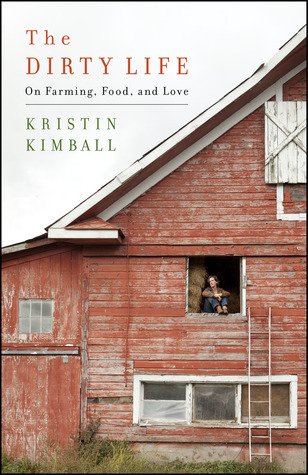
Kimball’s ability to recall the nitty gritty of being pulled to the Land (and the love of her life) was done with such tender-loving care that even if her worldview does not include the esoteric – you can tell they have a relationship. She also had me enthralled by the love of food and the semi-gourmand focus of the text. I will die on the hill that growing your own food and then preparing it to nourish self, kin, and community is some of the most powerful abundance magic anyone can conjure. Kimball seems to agree. She wrote, “Food, a French man told me once, is the first wealth. Grow it right, and you’ll feel insanely rich, no matter what you own.” No Lies Detected.
It also is an investment in healthcare that you didn’t know was a benefit on partnering with the Land and working it to live harmoniously with it and on it. In the book she details how she and her partner wanted what they did to be birthed from sustainability. Although she doesn’t talk about applying permaculture principles to the Land, many of their practices were at minimum regenerative, if not shadowing permaculture. That sustainability often meant more labor in the “start up” time of creating a prolific piece of Land that remains healthy. Doing that often makes the Land tender healthy, too. In The Dirty Life, Kimball records the alarming juxtaposition at a community meeting where old-school farmers who had plowed with draft horses like she did at her farm, against the younger generation that had embraced commercial farming practices – think lots of giant machinery and diesel fuel costs and harsh chemicals and a focus not on soil health, but that of output – showed physically the reflection of their methods in their appearance. She wrote, “…the old people looked healthier than the young who tended toward the obese.” Again, another telltale sign that she’s really in league with Land and community.
The most quotable moment in the text which now is typed up and hung on the wall in the harvest shed here at #VillaWestwyk:
“A farm is a manipulative creature. There is no such thing as finished. Work comes in a stream and has no end. There are only the things that must be doe and things that can be done later. The threat the farm has got on you, the one that keeps you running from can until can’t, is this: do it now or some living thing will wilt or suffer or die. It’s blackmail, really.”
Seriously though, living close to the Land – whether its a community park that you tend or a huge farm like Kimball, or a tiny covenstead like yours truly, there is a richness there that defines that relationship:
“On our evening farm walks, the list of crops to harvest grew longer, we cruised the peas as the sun went down, grazing on handfuls of pods so full they looked dented…This is the farmer’s privilege, a form of decadence, and it made us feel rich.”
Practical Permaculture for Home Landscapes, Your Community, and the Whole Earth by Jessie Bloom & Dave Boehnlein
The Home Landscapes part of the title is what pulled me to this book. Also, I’ve read just about everything that Jessie Bloom has written about permaculture as well as heard her lecture. She has a lived experience in permaculture design and knowledge that is “local” in its approach, meaning she knows the nuances of doing what I’m doing in the Pacific Northwest, because she is as well. So it wasn’t a tough sell to get this book, except this home landscapes bit.
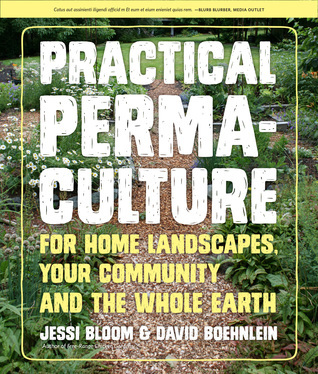
My hope was this book would present an integration between permaculture and a more modest piece of land, be it city lot or small rural covenstead that tends to be missing in some of the books on permaculture. Most of them present the information under the pretense of huge swaths of land. We have two acres, which is perfect for the covenstead, our neighbors, and community to live abundantly. Therefore, I was deeply interested in Bloom’s perspective on integrating smaller spaces in a permaculture design. I’m less familiar with her co-author, but his CV is clutch and I’m always ready to learn from others who are living their consulting/writing/business. They didn’t disappoint.
This book has actionable insights and advice to apply permaculture anywhere. It’s a comprehensive how-to whether you’re a beginner or a more intermediate designer. There’s not a lot of preachy language in this book, which I appreciate. Permaculturists are tired of preaching, but it still comes out in other texts I’ve read.
I would say this book is great for beginners or veteran permaculturists, because if nothing else it’s a great idea generator. Apparently, it is used by the Oregon State University Permaculture Design Certificate course. Bloom & Boehnlein definitely get expert status in this covenstead of Beaver alum. There is a PNW bias to the book, I found, but not that it was a problem for me. Given that Bloom cut her permaculture teeth in this environment, many of the stories and lessons would happen in that coastal maritime zone. But all growing zones are featured and the diagrams and lists are super helpful. Want to learn more about the bones of permaculture? This is definitely a good place to start.
The Hollow Places by T. Kingfisher
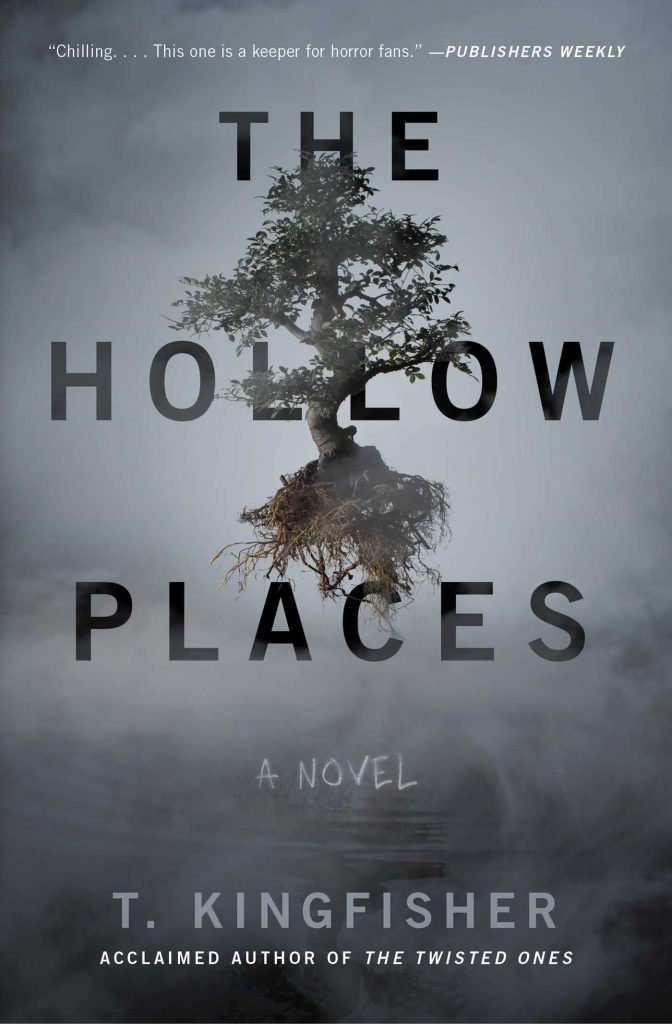
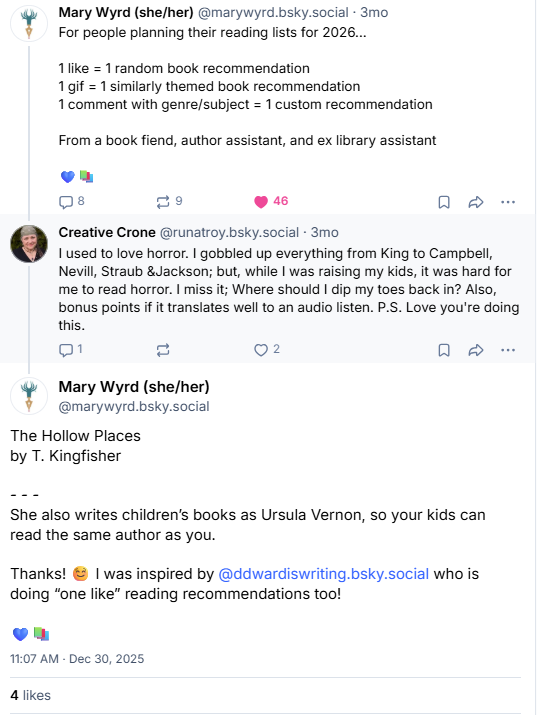
First horror novel I’ve read in a very long time and was recommended to me by @marywyrd.bsky.social (see photo). I love stories where the people are accidental heroes and this one fills the bill. The characters are so relatable and charming and you’re like, OMG don’t die!
It centers on a recently divorce woman, Kara, who finds a portal to a terrifying, unstable dimension in her uncle’s museum of curiosities. That setting and Uncle Earl’s adorableness, helps bring comedy into this horror genre book so skillfully that my forage back into horror reading (I used to fancy myself a horror writer…until I had kids).
Add in some external complicated relationships (ex-husband, mother) and you’ll be nodding along with her desire to keep the crazy at bay. Little does she know it’s abutting her own bedroom. Kara’s sidekick Simon, the barista that works and lives next door, navigate this very weird other world together in regular-peeps bravery and fortitude. No superheroes here. Just two folx not wanting to die in a world that wants them dead (sound familiar?)
The setting both in the Museum of Natural Wonders, Curiosities and Taxidermy and the unnamed one they find behind a hole in the wall, is absolutely a character in itself and you may feel creeped out just by the eccentricity of Uncle Earl’s world and the other one filled with creepiness like none you’ve ever read before.
The Hollow Places, for me, was darkly entertaining and full of unexpected laughter. When faced with the horrors of this world and the one on the other side of the hole in the wall have you wanting to scream and you laugh instead – good read, I say. Anything that horrific that kept me picking it up to finish is a winner – especially after decades of not reading horror. Good rec, Mary. Might have to check out more of Kingfisher’s work.
As mentioned above, we’re still in high garden building and planting season here #OnTheCovenstead; but, there’s still plenty of reading being done. Currently I’m blazing through the memoir Making It: How Love, Kindness and Community Helped Me Repair My Life by Jay Blades of The Repair Shop fame. Do have to sometimes put it down and grieve for how so many of the countries that should know better are racist to the core. Yet, inspiration can be found in overcoming adversity, and Blades storytelling comes through like a chum giving you a chinwag at the pub. More on that next month!
(*Walking the Path of the Elder Futhark is coming soon to the Creative Crone Shop)
Feeling Earth’s Love As A Witch
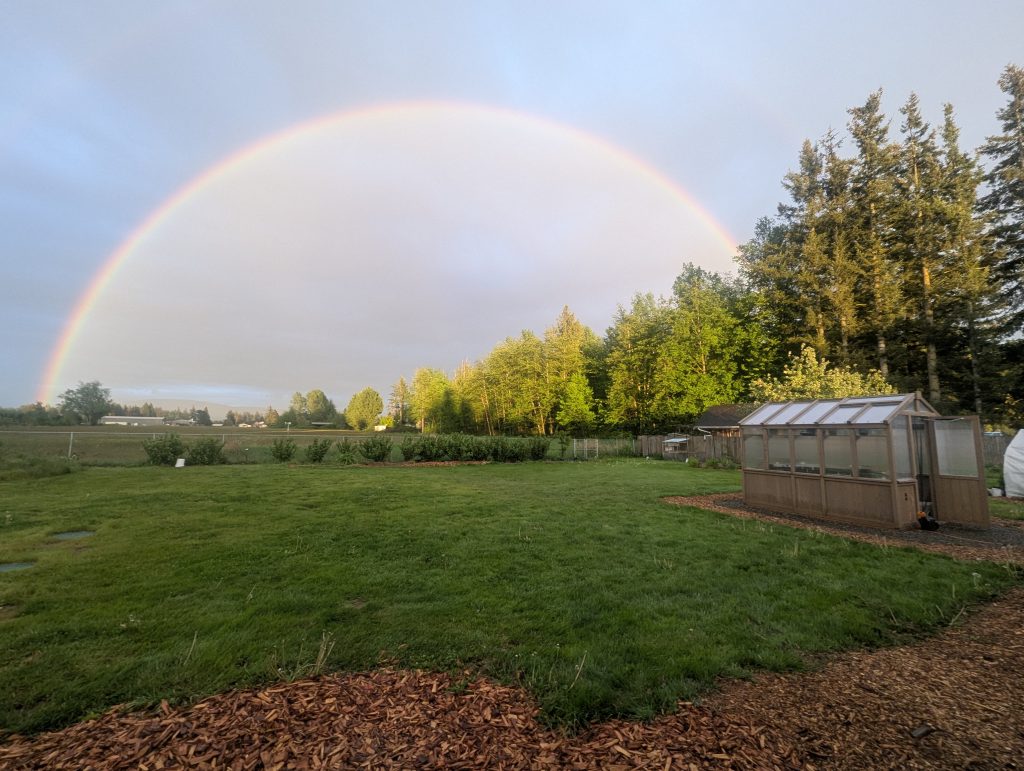
I have a hazy memory of early tween-dom, not long before I first start exploring the path of an earth-loving witch. It was in the cemetery that was next to my school. Having a graveyard next to my school wasn’t that odd – it was a parochial xtian school attached to one of the largest congregations in the eastern Detroit area. I loved that cemetery (hello Scorpio stellium). There were huge 100-foot-tall trees – likely Eastern White Pines, which at the time of this love story, I didn’t know any trees taller than these. I loved to sit under them especially in the warm, sticky months of a Michigan summer. It would be easily fifteen degrees cooler under those tall, soldier-like conifers. I loved that calming smell of pine from the birth of its spring buds to the composting needles I’d crouch on to get respite from the noise and energy of people. I could breathe with the trees, with the grass and the dirt and the song of the birds. Yep, I was the weird girl who sat in the cemetery under a tree, alone. To me, it didn’t feel weird. It felt right.
I was struggling with the new social aspects of moving from elementary to middle school (although we called it ‘junior high’ then), especially because I was one of the youngest in my grade. Also I was discovering that I didn’t get excited about being around a lot of people, and that being under a tree reading a book held more for me than playground games. I was not immune to the budding attraction to boys. I tried flirting – I was not great at it. Yet, who is at this point in our lives? It’s all experimentation with what works and doesn’t work. For me, I wanted my target to read my facial expressions and know exactly what I meant. That’s an immature Scorpio for you. Instead of practicing more like many of my peers, I was happier squirreling away somewhere in that park-like setting of quiet in the parish’s cemetery.
The day I remember feeling love from the Earth begins with finishing physical education class and then being dismissed for recess – 20 tortuous minutes before lunch, but it also meant that if I packed my lunch, I could just go straight on from recess in a secluded part of the cemetery through lunch before returning to class, providing the weather was dry. Teachers left you alone if you had your nose in a book. I took full advantage. I was feeling pretty good, knowing I’d have this 45 minutes to listen to the birds while I dived into a story far away from this awkward tweendom. Also, it was a brilliant Spring day. One of the firsts for the season. I was leaving the gym, headed to the locker room when one of the boys I had a crush on called me a slut. I didn’t know at that point in my life what a slut was. I knew it was bad because of how my classmates either recoiled – the girls – or laughed – the boys. I scowled my way to the cemetery, fuming with embarrassment and near hateful revenge fantasies.
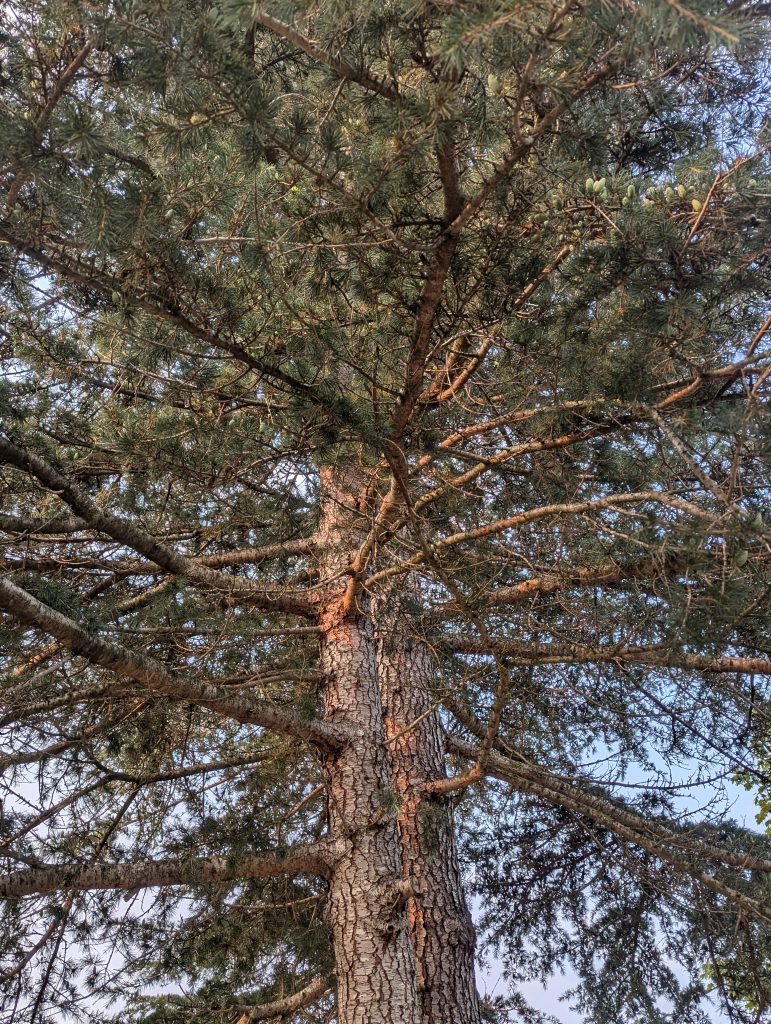
I reached the tallest tree. Now in 2026, I can still remember the grave that was closest to it. It sat at a slight angle in the ground and was listing slightly away from the prevailing winds. ‘Against all odds,’ is the nickname I gave it. When I sat under that tree, that couple had already been dead 100 years. In my sessions in the cemetery, I would concoct the most epic of supportive love stories. I imagined war and storms kept them apart, but they always found each other.
That day, I couldn’t find the joy I normally felt in this favored spot. I just found anger, sadness, grief, and distaste. And resolve, that I wasn’t what that dumb boy said I was. I opened my book, had a hard time seeing the words for my anger, and put it back in my bag. I pulled out my composition book, and my favored multi-colored fat pen to write in red (I was mad after all). But I snapped it closed again and shoved them both in my bag. I just sat there, staring out across the cemetery. I’m not sure if I sighed, took a big breath or what, but I got a snootful of pine that suddenly had me feeling silly for being upset about being called a name I didn’t even know what it meant. I tucked my knees up under my chin and wrapped my arms around my knees. I rested my back firmly against the bark of this towering guardian of the crooked grave. Its sturdiness seemed to seep into me. I leaned my head against it. Looking up at a tall tree from the ground is always an exercise in feeling small. I started to imagine just melting into that giant trunk, when I heard a voice. Was it a voice? It could have been any number of creatures that today I know exist, but at that exact time, I squarely thought it was ‘someone’ whispering. The wind had picked up slightly and I shook my head thinking the wind was making noises. Today I remember clearly how the Land talks to me now. The voice simply said, “It’ll be okay.” Young me reached out and drew a smiley face in the soil beside me. “Thanks,” I said out loud. Robin tweeted its song back. Then suddenly I felt very self conscious and looked around. All the activity was back at the playground, in the ball fields. It was just me and the trees, birds, and soil.
I stretched out my legs and continued to play with the soil in my hands. I heard the bell for lunch ring, and just as it did, a Peregrine Falcon – native migrators to Michigan and whose numbers at the time of this story were very few – came barreling down the main walkway of the cemetery – not quite a road, although the hearses would use it to traverse to graveside ceremonies. The falcon flew deep and low and sped right by me in that telltale bullet shape raptors can achieve before suddenly shooting straight up into the canopy of trees out of my line of sight. I was floored. We had just discussed this bird in my earth science class and its importance in the Great Lakes area. It’s the first sign from the universe I can remember.
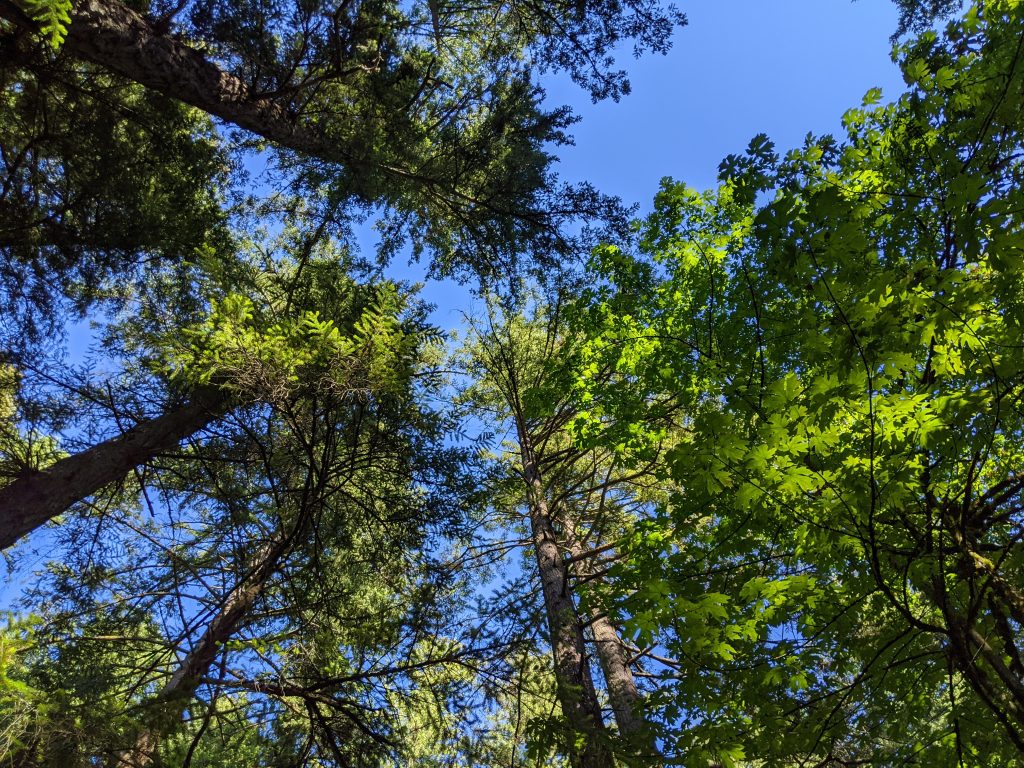
I got out my journal and started writing, recording the moment that later would feel very spiritual. I sketched my best attempt at what I just witnessed. I munched my lunch and listened to the wind through those wonderful trees. Before I knew it the time to return to class was due. I stood up, dusted off my clothes and my hands and headed back in. I saw the offensive boy as I was heading back in and he tried to bully me again, but the science teacher was close by and I called him over and told him about seeing the falcon. He told me that was a really special sighting and maybe we’d have class outside soon to see if the rest of class could see it.
I felt like the trees, the birds, and the soil all comforted me that day. They talked to me in their language. They grounded and centred me away from the emotions that did not serve me. They planted the seed for a relationship that would ebb and flow throughout my life and still does. I love the Land, its energy, the Spirits in and about it. But it loved me first.
Today, that girl is a woman who often can be found book in hand under a tree – likely Grandmother Willow, the eldest and tallest tree of Villa Westwyk. It’s a relationship that has taught me patience through the rhythm of the seasons. It taught me determination, like the dandelion that grows in cracks and crevices. It taught me a whole lot of discernment – your environment helps you thrive or struggle. It’s solidified my animist worldview and opened up the literal interconnected cosmos at my feet, and above my head. When we are stewards of the Land that contains us, it sustains us. The Land understands you belong, that you are its kin. It’s just waiting for you to fall in love, too.