The Feast of Saint Monica – Why Witches May Feel Drawn to Her
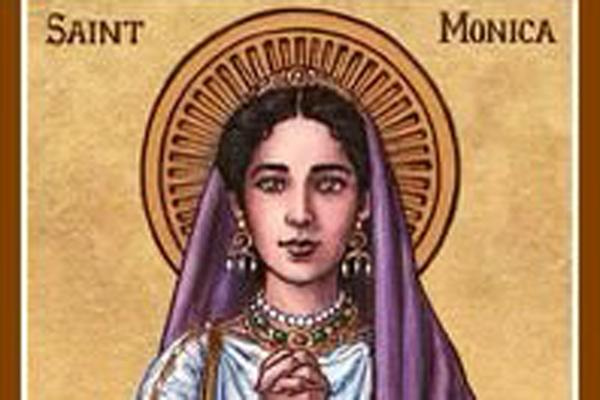 An image of Algerian-born Saint Monica (public use)
Saint Monica is often a forgotten saint, eclipsed as she was by her son, Saint Augustine of Hippo. I don’t forget her. She’s one of my “ancestors” by adoption (read: powerful deceased person). She’s knows something about being the mother of challenging children, and when I’m a struggling parent, I find comfort in her life, spirit, and magic. I’m pretty sure she was a witch. You could say that about a lot of Abrahamic religions ‘famous’ women. But for me, Saint Monica is a vibe for sure.
Saint Monica is honored as the patron saint of mothers, married women, difficult children, and people praying for the well-being of loved ones. In short, her energy and intention were all poured into the spiritual health of her family – primarily her difficult son.
Mother- check; Married – check; difficult children – check; petitions for well being of loved ones? Check, check, and check.
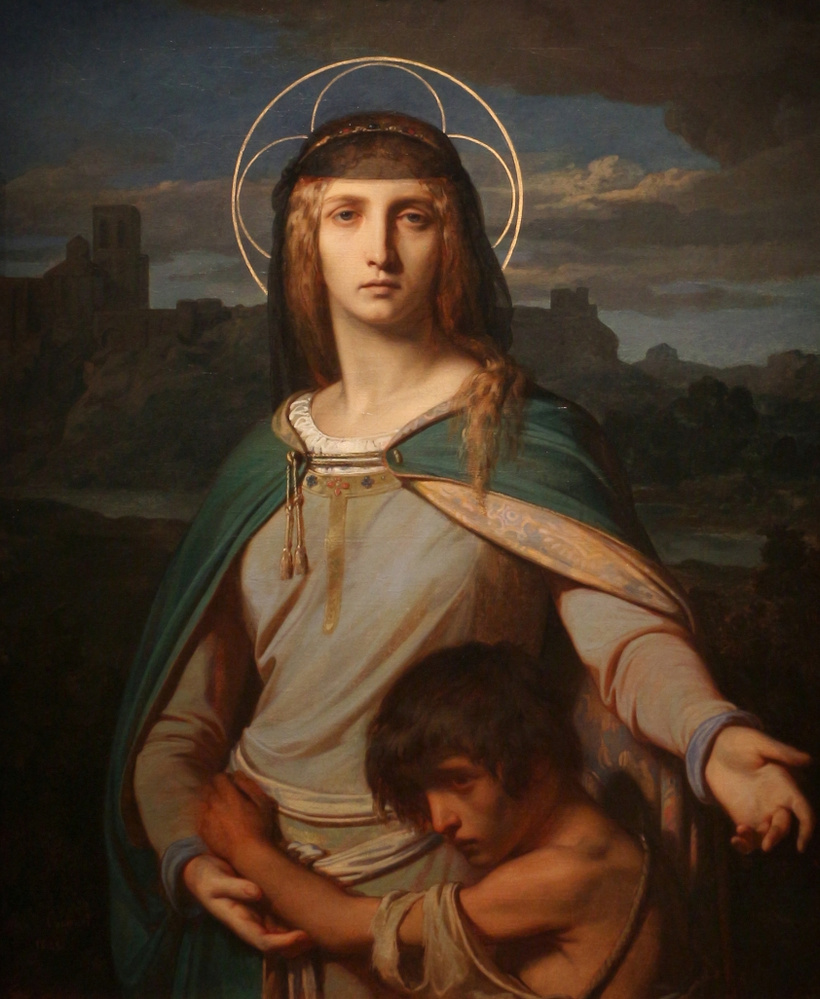 Saint Monica and her then rag-a-muffin urchin of a son, Augustine
Monica was born in the fourth century in North Africa. She spent many years praying for her son’s spiritual transformation. According to Xtian tradition, her persistence, compassion, and faith eventually helped guide Augustine toward his spiritual work. Before becoming a paragon of the Xtian faith, he was a party boy who mocked his mother’s faith and pursued a life of pleasure and ambition.
Although Saint Monica is generally associated with the Xtian tradition, I feel a connection with her because of the qualities she represents. Many forms of witchcraft emphasize personal spiritual practice, intention, protection, healing, and the strength of women’s wisdom. Monica’s story reflects these themes through her endurance, protective love, emotional resilience, and repeated spiritual work on behalf of her family.
I also see her as an example of sacred feminine power. Rather than wielding authority through status or force (hello, patriarchy), she influences events through devotion, patience, prayer, and determination. All good things to also have in a Witchcraft Practice. Monica’s years of persistence can resemble the focused intention found in spellwork, ritual, and ancestor practices: a sustained effort director toward healing and change.
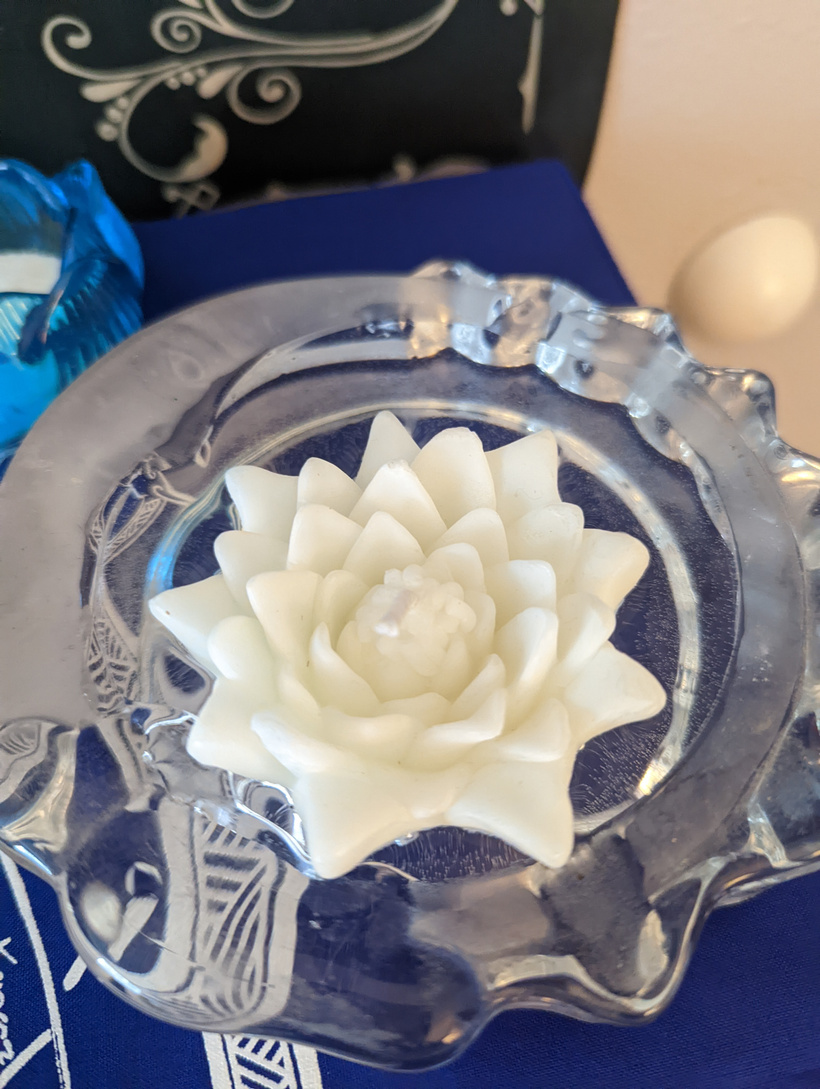 A quiet ritual to connect with a powerful dead person, in this case, Saint Monica
I know many a Witch who bridges their inherited religious traditions and their adopted spiritual path of the Craft. For many of us who were raised in Xtian, connection to saints, like Monica, coupled with folk magic, herbalism, divination, and other workings feels comfortable and approachable. In that context, Monica and others are honored not necessarily as a figure of formal Catholic devotion, but as maternal protector, intercessor, and symbol of unwavering hope.
And in 2026, we can use all the hope we can get.
Regardless, I wanted to share my personal recognition of Monica as a powerful image of persistence, care, and spiritual agency. Those qualities may resonate across various belief systems but may also be used within magical traditions.
On today, her traditional feast day, after a deep meditation session, I often do a quiet ritual focused on perseverance, maternal care, healing, and hope. I light a white candle in a bowl of clear water, offer flowers in Monica’s name, and speak intentions for my kin’s wellbeing. I also make donations to local charities that support mothers or families. Additionally, I make sure our menu features things like figs, dates, bourek, lamb, shakshouka, or goat cheese – a nod to Monica’s birth region.
 Roasted figs with goat cheese walnuts and honey. A feast to honor Saint Monica.